



Managing your household expenses often starts with finding ways to decrease your utility bills. High utility bills can quietly drain your hard-earned income and disrupt your monthly financial budget.
Learning how to audit your energy consumption is a fantastic way to protect your personal cash flow. Taking control of these recurring costs allows you to redirect funds toward your critical financial goals.
Fortunately, implementing simple behavioral adjustments can yield immediate, measurable monthly savings. You do not need expensive structural renovations to start seeing a difference in your billing cycles.
This comprehensive guide offers highly actionable, low-cost strategies to slash your recurring expenses starting today. Read on to discover how to permanently lower your bills and optimize your home efficiency.
Quick Summary: Key Insights
Managing utility bills requires a balance of immediate habits and smart, targeted upgrades.
Below is a quick overview of the most impactful strategies discussed in this guide:
- Vampire Load Elimination: Unplugging idle electronics can save up to 10% on power costs.
- Thermostat Management: Adjusting temperatures by 10 degrees overnight reduces heating costs significantly.
- Water Conservation: Fixing silent leaks prevents thousands of gallons of expensive water waste annually.
- Smart Upgrades: Using high-efficiency appliances reduces long-term consumption and stabilizes seasonal bills.
Section 1: Understanding Your Monthly Utility Bills
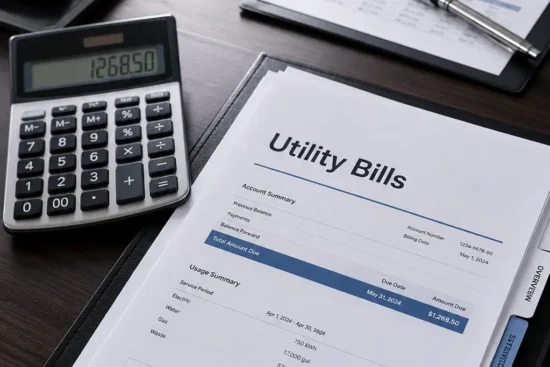
Before changing your habits, you must understand how utility providers calculate your bills. Most statements contain both fixed connection fees and variable usage rates that change monthly.
Analyzing these charges helps you pinpoint exactly where your hard-earned money is going. It allows you to target the highest-consuming areas of your household first.
Many electricity providers offer variable rates based on the specific time of day you use power. Shifting heavy usage to off-peak hours is a proven method to lower utility bills.
According to helpful Fidelity’s financial energy insights, peak hours carry significantly higher rates. Avoiding large appliances during these peak times will protect your wallet from unnecessary surcharges.
Tracking your year-over-year consumption patterns is also highly beneficial for identifying seasonal spikes. This historical comparison helps you prepare your household budget for extreme weather months.
By monitoring these trends, you can implement preventative conservation measures before rates climb. This proactive approach ensures your household expenses remain predictable and manageable all year.
Section 2: Eliminating Electricity Waste and Vampire Loads
Electric appliances continue to draw power even when turned off or left on standby mode. This phantom energy drain is commonly known as a vampire load.
Vampire loads are responsible for a surprisingly large portion of high utility bills. Electronics like televisions, chargers, and gaming consoles are the primary culprits.
To eliminate this waste, get into the habit of unplugging devices when not in use. This simple habit keeps money in your pocket without requiring any lifestyle sacrifices.
Using advanced power strips makes managing these devices incredibly easy and highly efficient. You can cut power to multiple electronics simultaneously with a single flick of a switch.
The US Department of Energy highlights that smart power management reduces standby energy waste. Taking this step protects your home from constant, invisible power drains.
Additionally, replacing outdated incandescent light bulbs with modern LEDs is highly recommended for immediate relief. LEDs use up to 75% less energy and last significantly longer.
Although LEDs cost slightly more upfront, the long-term return on investment is undeniable. Your initial purchase will pay for itself through lower utility bills within a few months.
Section 3: Heating and Cooling Optimization Strategies
Heating and cooling typically account for the largest portion of average residential utility bills. Keeping your home comfortable does not have to result in financial strain.
A highly effective tip is to optimize your thermostat settings based on your daily schedule. Lowering your thermostat in the winter while you sleep saves massive amounts of energy.
Conversely, raising the temperature slightly during summer afternoons reduces air conditioning strain. Even a minor adjustment of a few degrees will visibly lower utility bills.
Investing in a programmable or smart thermostat is an excellent choice for busy households. These devices automatically adjust temperatures based on your real-time presence and local weather.
They prevent you from accidentally wasting energy heating or cooling an empty, unoccupied house. This automated precision is a reliable way to keep your utility bills low.
Additionally, ensuring your heating, ventilation, and air conditioning filters are clean is absolutely vital. Clogged filters force your system to work harder, consuming much more electricity.
Regularly replacing these filters every three months protects your equipment from premature wear. It also ensures your HVAC system runs at peak energy efficiency.
Using ceiling fans strategically can also help make rooms feel several degrees cooler. Fans use a tiny fraction of the electrical power required by central air conditioning units.
Remember to set your fans to rotate counterclockwise during hot summer months to create a breeze. This simple trick allows you to stay comfortable while keeping utility bills in check.
Section 4: Water Conservation Methods to Reduce Bills
Excessive water consumption is another common cause of unexpectedly high utility bills. Fortunately, conserving water is incredibly straightforward once you identify the primary sources of waste.
The bathroom is where over half of all indoor household water consumption occurs. Focusing your conservation efforts here will yield the fastest financial results for your family.
Start by checking your toilets regularly for silent, costly water leaks using food coloring. A single leaking toilet can waste hundreds of gallons of water every single day.
Simply drop food coloring into the tank and wait fifteen minutes without flushing. If color appears in the bowl, you have a leak that needs immediate fixing.
Installing low-flow showerheads and faucet aerators is another highly cost-effective upgrade for your home. These inexpensive devices reduce overall water volume without sacrificing satisfying water pressure.
According to official US EPA WaterSense guidelines, these certified products save families thousands of gallons annually. This direct reduction in usage will translate directly to lower utility bills.
In the kitchen, make a strict rule to only run your dishwasher when fully loaded. Running half-empty loads wastes both valuable water and expensive electricity required for heating.
Modern dishwashers are actually much more water-efficient than hand washing dishes in an open sink. Utilizing your appliance correctly is a smart way to minimize your monthly water costs.
If you must wash dishes by hand, never leave the tap running continuously. Fill a basin with soapy water instead to rinse items more efficiently and cheaply.
Section 5: Gas and Major Appliance Management
Major appliances like clothes dryers, water heaters, and ovens consume significant amounts of gas and electricity. Managing how you operate these machines is vital for controlling utility bills.
Your water heater is often the second-largest energy consumer in your entire household. Most units are factory-set to a temperature that is unnecessarily high for daily needs.
Lowering your water heater thermostat to 120 degrees Fahrenheit is highly recommended by energy experts. This simple adjustment prevents accidental scalding and lowers your standby heating losses.
This single change can save you dozens of dollars on your annual utility bills. It is a completely free adjustment that takes less than five minutes to complete.
When doing laundry, try to wash your clothes using cold water cycles whenever possible. Heating the water accounts for roughly 90% of the energy used by washing machines.
Modern laundry detergents are specially formulated to clean fabrics highly effectively in cold water. Making this switch preserves your clothes while helping you achieve lower utility bills.
Additionally, always clean the lint trap in your clothes dryer before starting every load. A clean lint screen improves airflow and allows your clothes to dry much faster.
This practice prevents the dryer from running longer than necessary, saving valuable energy. It also reduces wear on your clothing fibers and extends appliance lifespan.
Section 6: Financial ROI of Smart Home Upgrades
Investing in energy efficiency can require an upfront cost, but the returns are substantial. Many homeowners hesitate to spend money on upgrades, fearing they will not recoup their costs.
However, the monthly reduction in your utility bills quickly offsets these initial financial outlays. It is helpful to view these upgrades as low-risk investments in your property.
Below is a detailed breakdown of common home efficiency upgrades and their estimated payback periods:
| Upgrade Type | Average Upfront Cost | Estimated Monthly Savings | Payback Period |
|---|---|---|---|
| LED Light Bulbs (Pack) | $15 – $30 | $8 – $15 | 2 – 3 Months |
| Smart Thermostat | $120 – $250 | $15 – $30 | 8 – 12 Months |
| Low-Flow Showerheads | $20 – $50 | $5 – $10 | 4 – 6 Months |
| Weather Stripping | $10 – $25 | $10 – $20 | 1 – 2 Months |
| Energy Star Appliance | $500 – $1,200 | $10 – $25 | 4 – 5 Years |
As shown above, simple low-cost upgrades offer the fastest return on your investment. Prioritizing these quick fixes is the smartest way to lower utility bills immediately.
Section 7: Step-by-Step Strategic Action Plan
Lowering your monthly expenses requires an organized, structured approach to achieve the best results. Follow this step-by-step action plan to systematically optimize your household utility bills:
- Conduct a DIY Home Audit: Walk through every room to identify air drafts and leaking faucets.
- Seal Air Leaks: Use inexpensive caulk or weather stripping around drafty windows and exterior doors.
- Upgrade to LED Lighting: Replace your most frequently used incandescent bulbs with energy-efficient LEDs.
- Adjust Appliance Settings: Lower your water heater temperature and optimize your main thermostat schedule.
- Install Smart Power Strips: Connect your entertainment systems to advanced strips to eliminate vampire loads.
- Implement Water Savers: Add low-flow aerators to bathroom sinks and showerheads to curb consumption.
- Monitor Your Progress: Compare your new utility bills to the previous year to measure savings.
This structured strategy ensures you target the easiest, highest-yielding saving opportunities first. Consistency is key to maintaining low utility bills over the long term.
Section 8: Comparison of Saving Strategies
Not all energy-saving strategies are created equal in terms of effort and financial payoff. Understanding which tactics yield the highest returns helps you allocate your time efficiently.
Below is a comparison of common methods used by homeowners to manage their utility bills:
| Strategy | Upfront Effort | Financial Impact | Overall Practicality |
|---|---|---|---|
| Sealing Air Leaks | Medium | High | Excellent for drafts |
| Unplugging Idle Devices | Low | Medium | Very easy to maintain |
| Installing Solar Panels | High | Extremely High | Requires high initial capital |
| Hand Washing Dishes | High | Low (often negative) | Inefficient water use |
| Using Smart Thermostats | Low | High | Automated and convenient |
Focusing on high-impact, low-effort strategies is the most practical path to immediate relief. These actions yield the best results when trying to lower utility bills fast.
Section 9: Pros & Cons of Professional Energy Audits
If you want deeper savings, a professional energy audit might be worth considering. This process involves hiring an expert to evaluate your home’s total energy performance.
However, it is important to weigh the advantages and disadvantages before booking an appointment. This helps you determine if the service fits your current financial situation.
Pros of Professional Audits
- Precise Detection: Experts use specialized thermal cameras to locate hidden insulation gaps.
- Customized Roadmaps: You receive a personalized report detailing the most cost-effective upgrades.
- Safety Checks: Auditors inspect combustion appliances to ensure they operate safely and efficiently.
- Increased Property Value: Documented efficiency improvements can boost your home’s overall resale value.
Cons of Professional Audits
- Upfront Cost: Professional assessments can be expensive depending on your local area.
- Implementation Expenses: The recommended upgrades often require significant additional capital to complete.
- Time Commitment: You must be present during the multi-hour inspection of your property.
For many homeowners, the detailed insights gained easily justify the initial inspection fee. It provides a clear, foolproof blueprint for permanently lowering your utility bills.
Section 10: Eligibility and Assistance Programs
If you are struggling to keep up with your expenses, assistance programs may be available. Many governments and local utility providers offer financial aid to qualifying households.
Understanding the eligibility requirements is key to accessing these valuable community resources. These programs are specifically designed to help vulnerable families manage high utility bills.
To qualify for federal programs like the Low Income Home Energy Assistance Program, household income is the primary factor. Your total gross income must typically fall below a specific percentage of the federal poverty level.
Additionally, priority is often given to households with elderly residents, young children, or disabled family members. Applying early is crucial, as funding for these programs is frequently limited.
Many local utility companies also offer free weatherization services to eligible low-income customers. These services include installing free insulation, sealing air leaks, and replacing inefficient appliances.
Reach out directly to your utility providers to ask about available rate discount plans. Taking advantage of these programs is a powerful way to bring your utility bills down to a manageable level.
Section 11: Conclusion and Actionable Steps
Taking proactive control of your monthly expenses is a vital component of successful financial planning. Consistently applying these practical tips will dramatically lower your monthly utility bills.
Start by implementing the easiest, zero-cost adjustments today, such as unplugging idle electronics. These small daily habits compound quickly, leaving more cash in your bank account.
As your savings grow, consider investing in smart upgrades like programmable thermostats for automated efficiency. These modern tools ensure your home remains comfortable while keeping your utility bills permanently optimized.
How do you manage your monthly household expenses? Share your favorite tips for reducing your utility bills in the comments section below!
Don’t forget to share this informative guide with friends and family who want to boost their monthly savings!







Leave a Reply