



Managing unexpected healthcare costs can be overwhelming, but understanding how to handle medical debt is the first step toward financial recovery. Many patients are unaware that medical bills are often negotiable, and healthcare providers are frequently willing to work out settlement agreements rather than selling the debt to collections.
Key Insights / Quick Summary
- Verification is critical: Always request an itemized bill to check for coding errors.
- Negotiation is possible: Hospital billing departments often accept lump-sum settlements or interest-free payment plans.
- Credit protection: New credit reporting rules provide more breathing room for medical expenses than for standard consumer debt.
- Financial assistance exists: Non-profit hospitals are legally required to offer “charity care” programs.
1. Request an Itemized Bill and Verify Charges
Before paying a single cent toward your medical debt, you must verify that the charges are accurate. Studies suggest that a significant percentage of medical bills contain errors, ranging from duplicate charges to “upcoding,” where a provider bills for a more expensive service than what was performed.
Call the billing office and request a detailed, itemized statement. Review this against your “Explanation of Benefits” (EOB) from your insurance provider. If you find discrepancies, you can dispute them directly with the hospital’s billing department.
2. Understand Your Rights Under the No Surprises Act
The Centers for Medicare & Medicaid Services established the No Surprises Act to protect patients from unexpected “balance billing.” This often happens when you receive care at an in-network facility but are treated by an out-of-network specialist.
If you believe you have been wrongly charged for out-of-network services during an emergency or at an in-network hospital, you have the legal right to challenge the bill. Understanding these protections is a vital part of managing long-term medical debt.
3. Apply for Financial Assistance (Charity Care)
Most non-profit hospitals are required by law to have financial assistance programs, often referred to as “Charity Care.” These programs are designed for low-to-middle-income households who struggle with medical debt.
| Feature | Charity Care Program | Standard Payment Plan |
|---|---|---|
| Eligibility | Income-based (often % of Poverty Line) | Available to most patients |
| Cost Reduction | 50% to 100% discount | No discount on principal |
| Interest Rate | 0% | Usually 0%, but can vary |
| Documentation | Tax returns, pay stubs required | Minimal documentation |
To apply, ask for the hospital’s Financial Assistance Policy (FAP). Even if you don’t think you qualify, some hospitals offer “sliding scale” discounts for those slightly above the poverty line.
4. Negotiate a Lump-Sum Settlement
If you have access to some savings, offering a lump-sum payment is one of the fastest ways to settle medical debt. Hospitals would often rather receive 50% to 70% of the bill immediately than risk the patient defaulting entirely.
When you call, use phrases like, “I cannot afford the full balance, but I can offer a one-time payment of $X to settle this account today.” If they agree, ensure you get the settlement offer in writing before sending the funds. This prevents the remaining balance from being sold to a debt buyer later.
5. Set Up an Interest-Free Payment Plan
If a lump-sum payment isn’t feasible, request an internal payment plan. Most healthcare providers prefer getting paid over time rather than hiring a collection agency. Always aim for an interest-free arrangement.
Avoid putting your medical debt on a high-interest credit card. While a credit card pays off the hospital, it moves your debt to a high-APR environment, which is significantly more damaging to your long-term financial health. Instead, negotiate directly with the provider’s billing office for a term of 12 to 36 months.
6. How Medical Debt Affects Your Credit Score
Recent changes by the three major credit bureaus (Equifax, Experian, and TransUnion) have made it easier to manage medical debt without destroying your credit score.
- Wait Period: Paid medical bills no longer appear on credit reports.
- Threshold: Unpaid medical debts under $500 are no longer reported.
- Delayed Reporting: There is a one-year “grace period” before unpaid medical debt appears on your report, giving you time to negotiate.
For more detailed information on credit rights, the Consumer Financial Protection Bureau provides extensive resources on how healthcare costs impact consumer credit.
7. Professional Help: Medical Billing Advocates
If your medical debt is in the tens of thousands of dollars, it may be worth hiring a professional medical billing advocate. These experts are trained to spot billing errors and negotiate with insurance companies on your behalf.
They typically charge either an hourly rate or a percentage of the money they save you. For very large debts, the savings they generate often far outweigh their fees.
Pros & Cons of Settling Medical Debt
Pros:
- Prevents accounts from going to collections.
- Reduces the total financial burden through discounts.
- Eliminates the stress of constant billing notifications.
Cons:
- Requires immediate liquidity for lump-sum offers.
- Negotiation can be time-consuming and require multiple phone calls.
- Settlements for less than the full amount may occasionally have tax implications (though rare for medical debt).
Requirements for Successful Negotiation
To successfully lower your medical debt, have the following ready:
- Your itemized bill and insurance EOB.
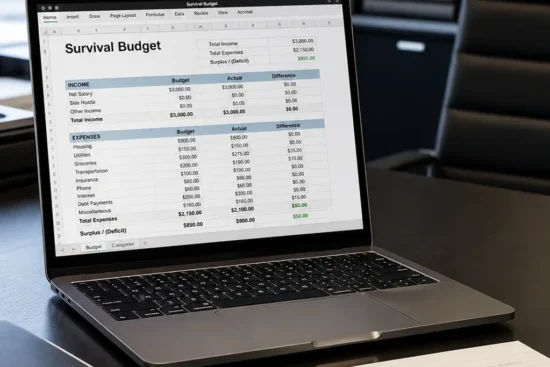
- A clear budget of what you can afford (monthly or lump-sum).
- Proof of income if applying for financial assistance.
- A notebook to log every representative you speak with, including dates and times.
Conclusion
Navigating medical debt is a marathon, not a sprint. By verifying your bills, utilizing federal protections like the No Surprises Act, and being proactive with hospital billing departments, you can settle your balances without compromising your financial future. Remember, the goal of the hospital is to get paid, and they are often more flexible than they appear.
If you are currently facing high healthcare costs, don’t wait for the bill to go to collections. Start the negotiation process today to protect your credit and your savings. Have you successfully negotiated a hospital bill? Share your tips in the comments below to help others in our community!






Leave a Reply