



Getting paid to spend money sounds like a dream. However, for savvy consumers, it is a daily reality. By leveraging the right tools Cash Back, you can earn thousands of dollars annually just by paying for your basic needs.
This guide explores professional strategies to optimize your spending. We will cover everything from high-yield credit cards to specialized mobile applications. Our goal is to ensure you never leave money on the table during your shopping trips.
Key Insights / Quick Summary
- Layering Strategy: Combine credit cards with shopping portals and store apps.
- Category Optimization: Match specific cards to high-spend areas like groceries or gas.
- Sign-Up Bonuses: These offer the fastest way to accumulate large sums of rewards.
- Redemption Value: Always check if cash is better than points or travel miles.
Understanding the Fundamentals of Cash Back
Before diving into advanced tactics, you must understand how these systems work. Cash back is essentially a rebate provided by financial institutions or retailers. They offer these incentives to encourage loyalty and increase transaction volume.
Most rewards are calculated as a percentage of your total purchase. While 1% is the standard baseline, elite programs can offer up to 6% on specific categories. Understanding these tiers is the first step toward optimization.
The Role of Credit Scores
Your ability to access the best rewards depends on your credit health. Most high-reward cards require a “Good” to “Excellent” score. If you are looking to improve your standing, checking your FICO score through official channels is a vital starting point.
Choosing the Right Cash Back Credit Card
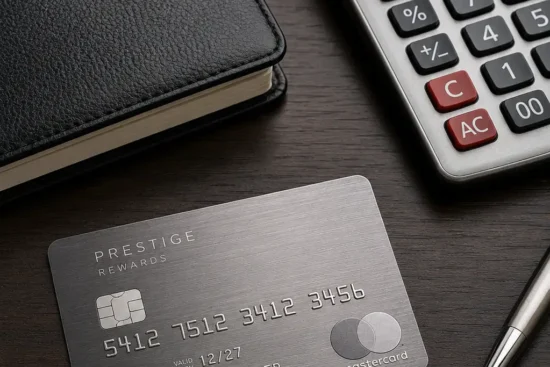
The foundation of any rewards strategy is your wallet. Not all cards are created equal. You must choose a card that aligns with your specific spending habits to see significant results.
Flat-Rate vs. Tiered Cards
Flat-rate cards offer a consistent percentage on every single purchase. These are ideal for people who prefer simplicity. You don’t have to track categories or remember which card to use for specific stores.
Tiered cards offer higher percentages for specific areas like dining or travel. For instance, a card might offer 3% on groceries but only 1% on everything else. These require more management but often yield higher total returns.
Top Cash Back Category Comparisons
| Category | Typical Reward Rate | Best Use Case |
|---|---|---|
| Groceries | 3% – 6% | Families and home cooks |
| Gas Stations | 2% – 5% | Daily commuters |
| Dining/Takeout | 3% – 4% | Social spenders |
| General Shopping | 1.5% – 2% | Misc. bills and repairs |
Advanced Strategies: The Art of Stacking
“Stacking” is the secret weapon of professional finance enthusiasts. It involves using multiple reward methods for a single transaction. When done correctly, you can effectively earn 10% or more back on a single item.
1. Utilize Cash Back Portals
Before buying anything online, visit a portal like Rakuten or TopCashback. These sites receive a commission for sending you to a retailer and share that money with you. This reward is in addition to whatever your credit card pays.
2. Leverage Manufacturer Apps
Retailers like Target, Walmart, and various grocery chains have their own apps. These often feature digital coupons or exclusive loyalty points. By scanning your app at checkout, you add a third layer of savings to your purchase.
3. Card-Linked Offers
Check your bank’s mobile app for “Merchant Offers.” These are temporary deals where you get a specific percentage back at a certain store. You must usually “activate” these before they apply to your transaction.
The Cost of Rewards: What to Watch Out For
While maximizing rewards is lucrative, there are hidden costs to consider. If you are not careful, interest rates and fees can quickly negate any “Cash Back” you have earned throughout the year.
Annual Fees vs. No-Fee Cards
Some of the most powerful cards come with an annual fee, often ranging from $95 to $550. You must calculate if your expected rewards will exceed this cost. For high spenders, the fee is often worth it for the increased percentages.
Interest Rates (APR)
The golden rule of rewards is to pay your balance in full every month. Cash back cards often have higher APR rates than standard cards. If you carry a balance, the interest charges will be far higher than the rewards you earn.
Step-by-Step Guide to Maximizing Your Returns
- Analyze Your Spending: Review your last three bank statements. Identify where most of your money goes (e.g., Amazon, local grocery stores).
- Select Your Primary Card: Choose a card that offers the highest percentage for your top spending category.
- Download Tracking Apps: Install apps that alert you to portal deals or card-linked offers.
- Set Up Autopay: Ensure you never pay interest by automating your monthly bill payments.
- Review Quarterly Categories: Some cards change their 5% categories every three months. Mark your calendar to “activate” these bonuses.
Eligibility and Requirements
To qualify for the highest-tier rewards programs, lenders typically look for specific criteria. Being prepared before you apply increases your chances of approval and prevents unnecessary “hard pulls” on your credit report.
- Credit History: Usually at least 12 months of active credit history is preferred.
- Income Verification: You must demonstrate a steady income to support the credit limit.
- Debt-to-Income Ratio: Lenders prefer that your monthly debt payments are low compared to your earnings.
- Low Utilization: Keep your current credit card balances below 30% of your limits before applying for new rewards cards.
Comparing Redemption Methods
How you take your money matters. Not all redemption options offer the same value. Most programs give you several choices when it is time to collect your earnings.
Statement Credits
This is the easiest method. The bank simply subtracts your rewards from your current balance. It is a direct way to reduce your monthly expenses.
Direct Deposit
Some cards allow you to move the money directly into a savings or checking account. This is excellent for those using cash back as a “forced savings” mechanism.
Gift Cards and Travel
Occasionally, banks offer a “bonus” if you redeem for gift cards or travel through their portal. For example, $50 in cash might be worth $60 if used for a specific hotel chain. Always do the math to find the highest value.
The Pros and Cons of Maximizing Cash Back
Pros
- Passive Income: You earn money on things you were already going to buy.
- Inflation Protection: Rewards help offset the rising costs of daily goods.
- Buyer Protection: Many reward cards include extended warranties and purchase protection.
Cons
- Overspending Trap: The desire for rewards can lead some to buy items they don’t need.
- Complexity: Managing multiple cards and portals takes time and organization.
- Credit Impact: Applying for too many cards in a short period can temporarily lower your credit score.
Conclusion and Next Steps
Maximizing Cash Back on everyday purchases is a powerful way to improve your financial health. By choosing the right credit cards, utilizing stacking techniques, and remaining disciplined with payments, you can turn your spending into a secondary income stream.
Start today by reviewing your top spending category and comparing it to your current card’s reward rate. If you aren’t earning at least 2% back on most purchases, it is time for an upgrade.
Which strategy will you try first? Have you successfully stacked rewards at your favorite store? Share your tips in the comments below and share this article with a friend looking to save!







Leave a Reply