



Signature loans, often referred to as good-faith loans or character loans, are a powerful financial tool for those needing quick access to capital. Unlike secured debt, these loans rely solely on your creditworthiness rather than physical assets like a house or car.
In this guide, we explore how to navigate the application process and secure the best rates available in today’s competitive lending market.
Key Insights / Quick Summary
- No Collateral Required: Your signature is the only guarantee provided to the lender.
- Credit Score Impact: A higher score directly translates to lower interest rates and higher limits.
- Speed of Funding: Many lenders offer same-day or next-day funding for signature loans.
- Fixed Terms: Most of these loans come with fixed monthly payments and predictable interest.
- Versatility: Funds can be used for debt consolidation, medical bills, or home improvements.
What is a Signature Loan?
A signature loan is a type of personal loan that is unsecured. This means the lender does not require any form of collateral. Instead, the lender uses your credit history, income stability, and debt-to-income (DTI) ratio to determine your eligibility.
Because the lender takes on more risk, the interest rates may be slightly higher than those for a mortgage or an auto loan. However, for many borrowers, the lack of risk to their personal property makes signature loans an attractive option.
Understanding Signature Loans vs. Secured Loans
To choose the right financial product, it is essential to compare how signature loans stack up against secured alternatives.
Comparison Table: Unsecured vs. Secured
| Feature | Signature Loans (Unsecured) | Secured Loans (Collateral) |
|---|---|---|
| Collateral | None required | Required (House, Car, Savings) |
| Interest Rates | Moderate to High | Generally Lower |
| Approval Speed | Very Fast | Slower (Due to appraisal) |
| Risk to Asset | Zero | High (Asset can be seized) |
| Credit Requirement | Strict | Flexible |
Requirements and Eligibility for Signature Loans
Qualifying for signature loans requires meeting specific financial benchmarks. Lenders want to ensure that you have the “character” and the “capacity” to repay the debt without the safety net of collateral.
1. Credit Score Thresholds
Most high-authority lenders prefer a credit score of 670 or higher. While some subprime lenders offer options for lower scores, the FICO credit score remains the gold standard for determining your risk profile.
2. Debt-to-Income (DTI) Ratio
Lenders calculate your DTI by dividing your monthly debt payments by your gross monthly income. A ratio below 36% is ideal for securing the most competitive signature loans.
3. Proof of Income
You must provide evidence of a steady income stream. This typically includes recent pay stubs, W-2 forms, or tax returns for self-employed individuals.
4. Employment History
Lenders look for stability. Having the same employer for at least two years can significantly boost your chances of approval.
Step-by-Step Strategy to Qualify for a Signature Loan
If you want to ensure your application is successful, follow these five actionable steps.
Step 1: Audit Your Credit Report
Before applying, download your report from the Annual Credit Report website. Look for errors or outdated information that might be dragging your score down.
Step 2: Reduce Existing Revolving Debt
Lowering your credit utilization (the amount of credit you use vs. your limit) can provide a quick boost to your credit score. Aim for under 30% utilization.
Step 3: Get Pre-Qualified
Many online lenders offer a “soft pull” pre-qualification. This allows you to see potential rates for signature loans without affecting your credit score.
Step 4: Compare Multiple Lenders
Do not settle for the first offer. Compare credit unions, traditional banks, and online fintech lenders to find the lowest APR and most favorable terms.
Step 5: Gather Documentation
Have your ID, proof of address, and financial statements ready. A complete application is processed much faster than one with missing data.
Cost Breakdown: What You Will Pay
When you take out a signature loan, the total cost consists of more than just the principal amount. You must account for interest and potential fees.
- APR (Annual Percentage Rate): Ranges from 6% to 36% depending on credit.
- Origination Fees: Some lenders charge 1% to 8% of the loan amount upfront.
- Late Fees: Typically a flat fee or a percentage of the monthly payment.
- Prepayment Penalties: Rare in modern signature loans, but always check the fine print.

Example Cost Scenario
If you borrow $10,000 at a 10% APR for 36 months, your monthly payment would be approximately $322.67. Over the life of the loan, you would pay $1,616.12 in total interest.
Pros and Cons of Signature Loans
Pros
- No Asset Risk: You won’t lose your home if you default.
- Quick Access: Ideal for financial emergencies.
- Simple Application: Minimal paperwork compared to secured debt.
- Fixed Payments: Helps with monthly budgeting.
Cons
- Higher Rates: More expensive than home equity lines of credit.
- Strict Credit Needs: Harder to get with poor credit.
- Smaller Limits: Maximum amounts are usually lower than secured loans.
Best vs. Worst Use Cases for Signature Loans
Knowing when to use this financial tool is just as important as knowing how to get it.
Best Uses
- High-Interest Debt Consolidation: Swapping 24% credit card debt for a 10% signature loan.
- Necessary Home Repairs: Fixing a leaking roof before it causes structural damage.
- Medical Expenses: Covering urgent health costs not met by insurance.
Worst Uses
- Luxuries: Using signature loans for vacations or designer clothes.
- Gambling/Speculation: Never borrow money to invest in high-risk assets.
- Living Expenses: Borrowing for rent or groceries indicates a deeper budget issue.
Where to Find the Best Signature Loans
For the most reliable terms, start with established institutions. Investopedia’s loan reviews provide a deep dive into current market leaders. Credit unions often offer lower rates than big-box banks because they are member-owned.
Additionally, checking the Consumer Financial Protection Bureau (CFPB) can help you understand your rights as a borrower and how to avoid predatory lending practices.
Impact of Market Rates on Signature Loans
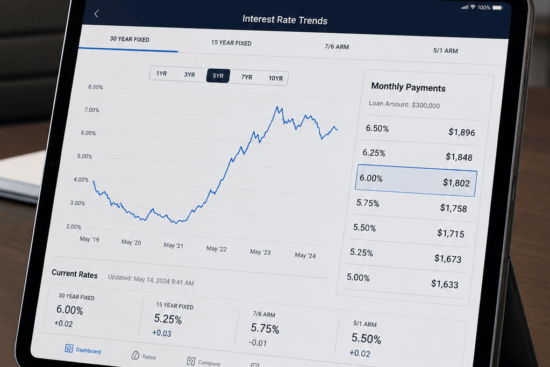
Interest rates for signature loans are often tied to the federal funds rate. When the central bank raises rates to combat inflation, the cost of borrowing increases.
Borrowers should keep an eye on economic trends. If rates are expected to rise, locking in a fixed-rate signature loan sooner rather than later could save thousands in interest over the long term.
Conclusion and Call to Action
Securing signature loans is an excellent way to manage your finances without risking your personal assets. By focusing on your credit score, maintaining a low DTI ratio, and comparing the best lenders, you can find a loan that fits your budget perfectly.
If you are ready to take control of your debt, start by checking your credit score today. Compare at least three different offers to ensure you are getting the most competitive rate.
Have you ever used a signature loan to consolidate debt? Share your experience in the comments below or share this article with someone planning their next big financial move!









Leave a Reply