



Obtaining a loan often feels like an uphill battle, especially when you need competitive rates. However, one of the most effective ways to access capital is by leveraging the assets you already own.
Using a savings account or a Certificate of Deposit (CD) as collateral allows you to access Secured Funding with minimal hassle. This financial strategy is often referred to as a “savings-secured loan” or “cash-secured loan.”
By the end of this guide, you will understand exactly how to turn your idle savings into a powerful tool for credit building and liquidity.
Key Insights: Quick Summary of Secured Funding
Before diving into the mechanics, here are the essential takeaways for anyone considering this path:
- Collateral Based: Your savings account or CD acts as the guarantee for the lender.
- Lower Interest Rates: Because the risk is low, interest rates are significantly lower than personal loans.
- Credit Building: These loans are excellent for establishing or repairing your credit score.
- Continued Growth: Your original savings continue to earn interest even while they are locked.
- Approval Ease: Most banks approve these loans regardless of credit history because they hold the cash.
What Exactly is Secured Funding via Savings?
Secured Funding in this context involves borrowing money from a financial institution where the loan is “backed” by the cash in your savings account.
When you take out this type of loan, the bank “freezes” the amount you are borrowing in your account. As you pay back the loan, those funds slowly become available again.
This is different from an unsecured loan where the lender relies solely on your creditworthiness to approve the funds.
How Savings-Secured Loans Work
The process is remarkably straightforward compared to traditional financing. The lender uses your balance as a safety net.
If you fail to make payments, the bank has the right to take the funds directly from your account to cover the debt. Because of this, they are willing to offer much better terms.
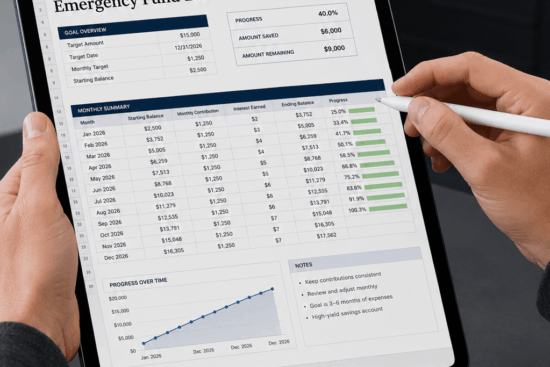
For example, if you have $5,000 in a high-yield savings account, you can use that as the basis for Secured Funding. The bank might lend you $5,000 at a rate just 2% to 3% above what your account is currently earning.
Step-by-Step Strategy to Obtain Secured Funding
Follow these steps to ensure you get the best terms possible when using your savings as collateral.
1. Evaluate Your Current Savings
Check your balance and ensure you have enough to cover the loan amount you need. Remember that these funds will be inaccessible for the duration of the loan.
2. Compare Lenders and Rates
Not all banks offer savings-secured options. Credit unions are often the best place to start, as they frequently offer the lowest interest rates on secured loans.
3. Submit a Formal Application
Even though the loan is secured, you still need to fill out an application. The bank will verify your account and determine the maximum loan-to-value (LTV) ratio they allow.
4. Agree to the Hold on Funds
The bank will place a “lien” or a formal hold on the specified amount in your savings. You can see the balance in your account, but you cannot withdraw it until the debt is settled.
5. Receive and Manage Your Funds
Once approved, the funds are usually deposited into your checking account instantly. Set up automatic payments to ensure you never miss a due date.
Eligibility and Requirements for Secured Funding
The barrier to entry for Secured Funding is much lower than for other financial products. However, you still need to meet basic criteria:
- Ownership: You must be the primary owner of the savings account or CD.
- Minimum Balance: Most institutions require at least $500 to $1,000 in the account.
- Age: You must be at least 18 years old.
- Institutional Membership: If using a credit union, you must be a member in good standing.
Cost Breakdown: Interest Rates and Fees
One of the biggest advantages of this strategy is the transparency of the costs involved. Unlike credit cards, the fees are generally minimal.
| Cost Element | Typical Range | Description |
|---|---|---|
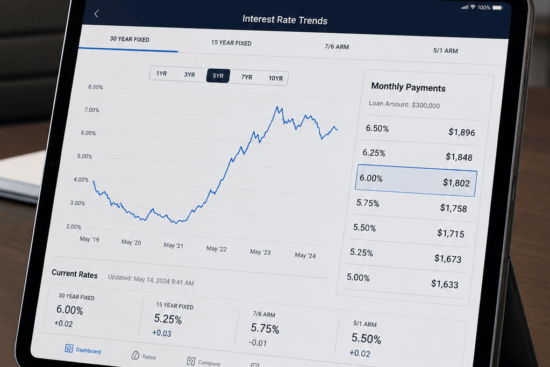
| Interest Rate (APR) | 2% – 4% above APY | The markup the bank charges over what you earn on savings. |
| Origination Fee | $0 – $50 | A one-time fee for processing the loan application. |
| Late Payment Fee | $15 – $35 | Charged if you miss your monthly repayment window. |
| Prepayment Penalty | None | Most secured loans allow you to pay off the debt early for free. |
Secured vs. Unsecured Funding: A Comparison
Understanding the difference helps you decide if Secured Funding is the right move for your current financial situation.
| Feature | Savings-Secured Loan | Unsecured Personal Loan |
|---|---|---|
| Approval Odds | Extremely High | Moderate to Low |
| Interest Rates | Very Low | High to Very High |
| Impact on Savings | Funds are frozen | No impact on savings |
| Credit Requirement | Minimal to none | Strong credit needed |
| Maximum Amount | Limited by your balance | Limited by income/credit |
Pros and Cons of Using Your Savings as Collateral
Before committing to Secured Funding, weigh these advantages and disadvantages carefully.
The Benefits (Pros)
- Preserve Your Wealth: You don’t have to spend your savings, meaning your money stays invested and continues to earn interest.
- Boost Credit Scores: Since banks report these payments to credit bureaus, it is an excellent way to build a history of on-time payments.
- Lower Costs: It is much cheaper than using a credit card for an emergency expense.
- Fast Funding: Approvals are often instant or completed within 24 hours.
The Drawbacks (Cons)
- Opportunity Cost: Your funds are locked. If an emergency arises that requires more cash than you have available, you cannot touch the collateral.
- Risk to Assets: If you default on the loan, you lose the savings you worked hard to build.
- Borrowing Limits: You can only borrow what you already have, which doesn’t help if you need a sum larger than your current savings.
When Should You Use Secured Funding?
This financial tool is not for everyone. It is best utilized in specific scenarios where liquidity is needed but spending the asset is undesirable.
Scenario A: Debt Consolidation If you have high-interest credit card debt, taking a savings-secured loan at 4% to pay off a 24% credit card saves you a massive amount of money in interest.
Scenario B: Credit Rehabilitation If you have a “thin” credit file or a low score, this is the safest way for a bank to take a chance on you.
Scenario C: Short-term Cash Flow If you know you have a large commission or bonus coming in three months but need cash today, Secured Funding bridges that gap without depleting your emergency fund permanently.
Best Practices for Managing Your Loan
To maximize the benefits of Secured Funding, you must manage the repayment process with discipline.
- Calculate the Spread: Ensure the interest you earn on your savings (APY) isn’t being completely negated by the loan’s APR.
- Automate Payments: Never risk your savings by forgetting a payment. Set up transfers from your checking account.
- Monitor Your Credit: Use tools like AnnualCreditReport.com to ensure the bank is reporting your positive payment history correctly.
- Avoid New Debt: Don’t use the secured loan as an excuse to take on even more debt elsewhere.
Conclusion and Final Steps
Obtaining Secured Funding using your savings account is a sophisticated move for anyone looking to build credit while maintaining their net worth. It offers a low-interest alternative to predatory lending and credit card debt.
By locking your funds as collateral, you demonstrate financial responsibility to lenders while keeping your hard-earned money working for you through compound interest.
If you are ready to take control of your financial future, contact your local credit union or bank today to ask about their savings-secured loan options.
Have you ever used a secured loan to build your credit? Share your experience in the comments below or share this article with someone looking to lower their interest rates!











Leave a Reply