



Understanding the various Collateral Types available to you is the single most effective way to reduce the cost of borrowing. When you apply for a loan, lenders assess the risk of not being repaid. By offering an asset as security, you shift that risk away from the bank and onto the asset itself.
This security allows financial institutions to offer significantly lower interest rates compared to unsecured personal loans. In this guide, we explore the primary categories of assets used to secure financing and how they impact your loan terms.
Key Insights: Quick Summary
- Collateral Types include real estate, vehicles, cash, investments, and business equipment.
- Secured loans generally offer lower interest rates and higher borrowing limits.
- The Liquidity of the asset determines the “Loan-to-Value” (LTV) ratio.
- Risk management is vital; failing to repay means the lender can seize the collateral.
Why Collateral Types Matter for Your Interest Rates
Lenders prioritize “recoverability.” If you default on a loan, the bank needs a way to recoup their capital. Assets like residential property are highly valued because they appreciate over time and have a robust secondary market.
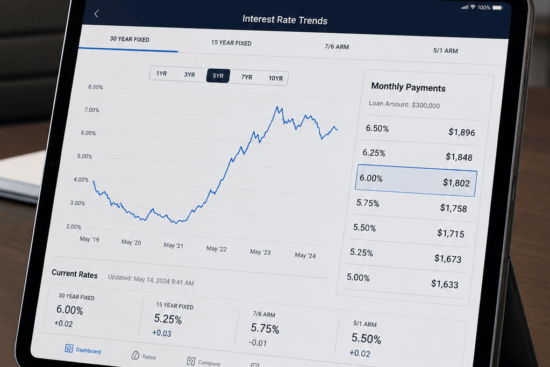
By choosing the right Collateral Types, you can unlock “prime” interest rates. For instance, according to the Federal Reserve’s reports on consumer credit, secured debt consistently carries lower annual percentage rates (APR) than unsecured credit cards or signature loans.
1. Real Estate: The Gold Standard of Collateral
Real estate is perhaps the most powerful of all Collateral Types. This includes primary residences, commercial buildings, or even undeveloped land.
Residential Property
Home equity loans or Home Equity Lines of Credit (HELOC) allow homeowners to borrow against the appraised value of their house. Because property is a stable asset, lenders often offer the lowest possible rates for these products.
Commercial Property
Business owners often use warehouses, offices, or retail spaces as collateral. While these involve more complex appraisals, they provide substantial leverage for large-scale business expansion.
2. Cash and Cash Equivalents
It may seem counterintuitive to borrow money when you already have it, but using cash as one of your Collateral Types is a strategic move to build credit or maintain liquidity.
Savings-Secured Loans
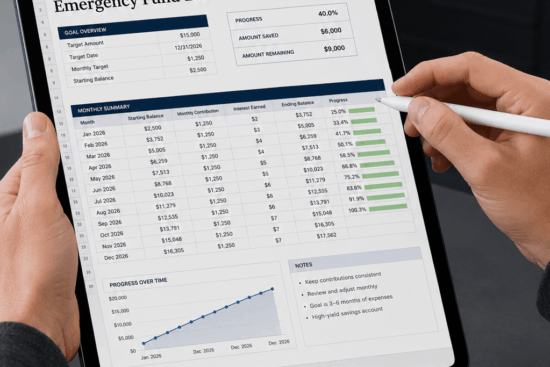
Many credit unions offer loans secured by your savings account. You continue to earn interest on your savings while paying a small margin on the loan. This is an excellent way to protect your “emergency fund” while accessing capital.
Certificates of Deposit (CDs)
If you have money locked in a CD, withdrawing it early usually incurs a penalty. Instead, using the CD as collateral allows you to keep the investment intact while utilizing its value for a low-rate loan.
3. Investment Portfolios and Securities
Wealthy individuals often use their brokerage accounts as Collateral Types. This is known as “securities-based lending.”
- Stocks and Bonds: Lenders typically lend 50% to 70% of the value of a diversified portfolio.
- Mutual Funds: These are considered stable and are highly favored by private banks.
- The Benefit: You avoid selling your assets, which prevents triggering capital gains taxes, while still accessing cash for other investments.
4. Vehicles and Moveable Assets
For many consumers, vehicles are the most accessible Collateral Types. This isn’t limited to just cars; it extends to motorcycles, boats, and even recreational vehicles (RVs).
| Vehicle Type | Average LTV Ratio | Impact on Interest Rate |
|---|---|---|
| New Cars | 90% – 100% | Significant reduction |
| Used Cars | 70% – 85% | Moderate reduction |
| Boats/RVs | 60% – 75% | Lower than personal loans |
Note: Vehicles are depreciating assets. Lenders account for this by charging slightly higher rates than real estate-backed loans.
5. Business Equipment and Inventory
For entrepreneurs, Collateral Types often include the tools of the trade. If you are seeking a loan for a manufacturing business, the machines themselves can serve as security.
Equipment Financing
The lender maintains a lien on the specific machinery. If the business fails, the equipment is sold to satisfy the debt. This is a common practice for medical practices and construction firms.
Inventory Financing
Retailers use their current stock as collateral. This is highly useful for seasonal businesses that need cash flow to prepare for high-demand periods like the holidays.
Requirements and Eligibility for Secured Loans
To use these Collateral Types effectively, you must meet specific criteria set by the lender:
- Proof of Ownership: You must have a clear title or deed to the asset.
- Appraisal: A professional must determine the current market value of the collateral.
- Insurance: Most lenders require the asset to be fully insured (e.g., homeowners insurance or comprehensive auto coverage).
- Equity Level: For real estate, lenders usually require you to have at least 20% equity in the property.
Comparison: Secured vs. Unsecured Loans
Choosing between different Collateral Types versus no collateral at all significantly impacts your financial health.
| Feature | Secured Loan (With Collateral) | Unsecured Loan (No Collateral) |
|---|---|---|
| Interest Rate | Low (Competitive) | High (Premium) |
| Loan Amount | High (Based on asset value) | Lower (Based on income) |
| Credit Score Impact | Positive (Easier to manage) | Variable |
| Risk | High (Loss of asset) | Lower (Credit score damage only) |
Step-by-Step Strategy to Secure Lower Rates
Follow these steps to maximize the utility of your assets when negotiating with banks:
- Identify Your Assets: List all potential Collateral Types you own, from savings accounts to real estate titles.
- Verify Market Value: Use tools like Kelley Blue Book for vehicles or Zillow for real estate to get a baseline value.
- Calculate LTV: Divide the loan amount by the asset value. Aim for an LTV below 80% for the best rates.
- Compare Lenders: Different banks specialize in different asset classes. Some prioritize high-value real estate, while others prefer liquid cash collateral.
- Check Your Credit: Even with collateral, a higher credit score will further depress your interest rates. You can check your score for free via AnnualCreditReport.com.
Pros and Cons of Using Collateral
Before committing your assets, weigh the benefits against the potential pitfalls.
Pros
- Access to Capital: Enables borrowing for those with lower credit scores.
- Lower Monthly Payments: Reduced interest rates mean more affordable debt service.
- Tax Deductibility: In some regions, interest on home-secured loans may be tax-deductible.
Cons
- Asset Forfeiture: Defaulting results in the immediate loss of the item.
- Appraisal Costs: You often have to pay for the valuation of the collateral upfront.
- Reduced Flexibility: You cannot easily sell the asset while it is tied to a loan lien.
Conclusion and CTA
Utilizing the right Collateral Types is a cornerstone of professional financial management. Whether you leverage your home equity, your savings, or your investment portfolio, the goal remains the same: minimizing the cost of your debt. By offering security to a lender, you prove your commitment to the loan and earn the reward of lower interest rates.
Are you ready to see how much you could save? Start by evaluating your current assets today. Compare the top secured loan providers and see how your Collateral Types can work for you. Have you ever used collateral to get a better deal? Share your experience in the comments below!








Leave a Reply