



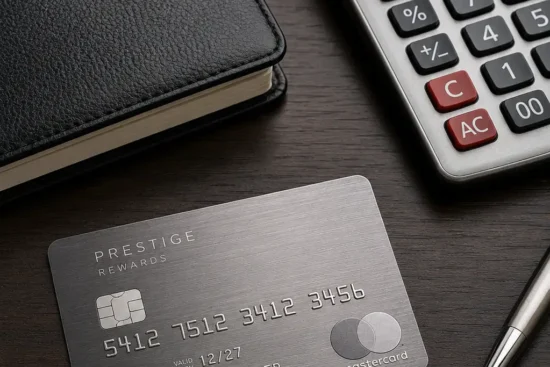
Starting your financial journey as a college student can feel like a catch-22. You need credit history to get approved for most financial products, but you cannot build that history without being approved for something first. Fortunately, financial institutions design specific credit products to bridge this exact gap.
Using the right entry level credit tools can transform a blank credit profile into an asset. This guide will analyze the premier entry level cards tailored for students who have zero credit history, outlining how to maximize their benefits while avoiding costly early mistakes.
Key Insights / Quick Summary
- Top Picks: The Discover it® Student Cash Back, Capital One Savor Student Cash Rewards, and Chase Freedom Rise® are the gold standards for beginners.
- Cost Factor: All featured selections carry a $0 annual fee, meaning you do not have to pay just to build your score.
- The Golden Rule: Paying your statement balance in full every single month is the absolute fastest way to build credit without paying a cent of interest.
- Approval Hack: Opening a checking account with your target issuer (especially Chase) can significantly boost your approval odds for entry level cards.
Why Students Need Specific Entry Level Credit Cards
Most premium credit options require what lenders call “good” to “excellent” credit, typically defined as a FICO score of 670 or higher. For a student with no prior loan or card history, a credit score does not even exist yet. Applying for these standard cards almost always results in an immediate denial.
This is where specialized entry level cards step in. Credit card issuers understand that college students represent a massive demographic of future high earners. By offering relaxed underwriting standards on entry level options, they invite you to build a relationship with their brand early.
Furthermore, building credit early has compounding benefits. Your credit score is heavily influenced by the average age of your accounts. By opening an entry level card during your college years, you establish a solid foundation that will make securing auto loans, apartment leases, and home mortgages far easier and cheaper later in life.
The Core Benefits of Starting Early
Starting your credit journey in college with an entry level card provides a massive head start. Here are the core reasons why getting started now is a smart move:
- Length of Credit History: This represents 15% of your FICO score. Starting now ensures this metric begins growing immediately.
- Habit Formation: Managing a low-limit card teaches you budget discipline while the stakes are still relatively low.
- Financial Safety: Credit cards offer vastly superior fraud protection compared to traditional debit cards.
- Rewards and Perks: Modern student cards offer actual cash back and travel rewards, allowing you to earn money on everyday purchases.
Deep-Dive Reviews of the Top Student Entry Level Cards
To help you make an informed decision, let’s break down the best entry level options available to students today. These cards have been vetted for their accessibility, lack of annual fees, and long-term utility.
1. Discover it® Student Cash Back
The Discover it® Student Cash Back is widely regarded as one of the best overall entry level options for young adults. It strikes an outstanding balance between ease of approval and high rewards potential.
+-------------------+---------------------------------------------------------+
| Feature           | Details                                                 |
+-------------------+---------------------------------------------------------+
| Annual Fee        | $0                                                      |
| Regular APR       | Variable (check current issuer rates)                   |
| Intro Offer       | Cashback Match™ (matches all first-year cash back)      |
| Core Reward Rate  | 5% rotating quarterly categories, 1% flat cash back     |
+-------------------+---------------------------------------------------------+
The Major Pros
- Cashback Match: At the end of your first year, Discover automatically doubles all the cash back you have earned. If you earned $150, you get an extra $150.
- No Credit Score Required: Discover specializes in underwriting students with no established history, making this card highly accessible.
- No Foreign Transaction Fees: Perfect for students who plan to study abroad or travel internationally.
The Drawbacks
- Rotating Categories: To earn the 5% rate, you must log in and manually activate the categories every quarter.
- Spending Caps: The 5% cash back rate is capped at $1,500 in quarterly purchases, dropping to 1% thereafter.
2. Capital One Savor Student Cash Rewards Credit Card
For students who spend a significant portion of their budget on food, dining out, and entertainment, this is an incredibly powerful entry level cash back tool.
+-------------------+---------------------------------------------------------+
| Feature           | Details                                                 |
+-------------------+---------------------------------------------------------+
| Annual Fee        | $0                                                      |
| Regular APR       | Variable (check current issuer rates)                   |
| Intro Offer       | Spend-based welcome bonus                               |
| Core Reward Rate  | 3% dining, entertainment, streaming, & grocery stores   |
+-------------------+---------------------------------------------------------+
The Major Pros
- Exceptional Reward Multipliers: Getting 3% cash back on dining and grocery stores on an entry level card is almost unheard of.
- No Foreign Transaction Fees: Like all Capital One cards, you will not pay extra fees when using this card outside the United States.
- No Rotating Categories: Your rewards are static and automatic, meaning you do not have to activate anything to save.
The Drawbacks
- Superstore Exclusions: The 3% grocery category excludes superstores like Walmart and Target, which is where many students shop.
- Requires Fair Credit: While still accessible, it sometimes requires a slightly higher baseline approval chance than secured alternatives.
3. Chase Freedom Rise® Credit Card
Chase is one of the premier banking institutions in the country. The Chase Freedom Rise® is their dedicated entry level product designed specifically to help beginners get their foot in the door.
+-------------------+---------------------------------------------------------+
| Feature           | Details                                                 |
+-------------------+---------------------------------------------------------+
| Annual Fee        | $0                                                      |
| Regular APR       | Variable (check current issuer rates)                   |
| Intro Offer       | Statement credit for auto-pay enrollment                |
| Core Reward Rate  | 1.5% flat-rate cash back on all purchases               |
+-------------------+---------------------------------------------------------+
The Major Pros
- Simple Flat-Rate Cash Back: You earn 1.5% back on every single purchase. No categories to track or activate.
- Pathway to Premium Cards: This card is designed to upgrade automatically to the Chase Freedom Unlimited® after your first year of responsible use.
- Auto-Pay Bonus: Enrolling in automatic payments within the first three months yields an instant statement credit.
The Drawbacks
- Foreign Transaction Fees: This card charges a fee on international purchases, making it less ideal for study abroad students.
- Approval Assistance Needed: While it is an entry level option, maintaining a Chase checking account with a small balance highly optimizes your approval odds.
Head-to-Head Comparison Table
Choosing the right entry level companion depends entirely on your spending habits and financial goals. Use this comparison table to quickly weigh your options:
| Credit Card | Annual Fee | Best For | Standout Perk |
|---|---|---|---|
| Discover it® Student Cash Back | $0 | Maximizing first-year returns | Cashback Match™ |
| Capital One Savor Student | $0 | Dining, groceries, and streaming | Unlimited 3% categories |
| Chase Freedom Rise® | $0 | Building a long-term Chase relationship | 1.5% flat-rate cash back |
Step-by-Step Guide: How to Apply and Get Approved
Securing your first entry level credit card is straightforward if you follow a strategic process. Here is how to maximize your approval chances from day one:
Step 1: Check Your Credit Report
Before applying for any entry level options, check to make sure your report is actually blank. You can access your report for free via annualcreditreport.com. Ensure there are no errors or unauthorized accounts listed under your social security number.
Step 2: Establish an Issuer Relationship
Many banks favor applicants who already hold deposit accounts with them. If you want a Chase card, open a basic checking account first. Depositing even a few hundred dollars can showcase financial stability to their automated underwriting systems.
Step 3: Gather Income Documentation
Under the CARD Act of 2009, issuers must verify your ability to make payments. If you are over 21, you can declare any income to which you have a “reasonable expectation of access.” This includes personal income, allowances, household income, or financial aid refunds.
Step 4: Apply Online Using Pre-Approval Tools
Many lenders offer soft-pull pre-approval tools. These systems let you see if you qualify for their entry level cards without impacting your credit score. Always utilize these tools before submitting a formal application.
Master Your Score: Credit-Building Best Practices
Getting approved for an entry level card is only the first step. To build an elite credit rating, you must manage the card with extreme discipline.
Your credit score is calculated using several factors. To understand how these apply to your new card, consider the following critical metrics:
1. Payment History (35% of FICO Score)
This is the single most important component of your score. A single payment that is late by 30 days or more can damage your score for up to seven years.
To protect your payment history:
- Set up automatic minimum payments immediately.
- Calendar your payment dates and align them with your income.
- Pay your full statement balance monthly to avoid paying interest entirely.
2. Credit Utilization Ratio (30% of FICO Score)
Utilization represents how much of your available credit limit you are actively using. If your entry level card has a $500 limit and your statement balance is $250, your utilization is 50%.
To maintain an optimal credit rating, you should always keep this ratio below 30%. For maximum score optimization, aiming for a utilization rate under 10% is ideal. If you spend $50 on a $500 limit card, your utilization is exactly:
This is considered the absolute sweet spot by credit scoring bureaus.
Common Mistakes Students Make with Entry Level Cards
When starting out with entry level options, it is remarkably easy to fall into common psychological traps. Avoid these major financial pitfalls:
- Treating Credit Like Free Money: Never buy something on your card that you cannot immediately pay off with the cash in your checking account.
- Carrying a Balance: There is a persistent myth that carrying a balance on your entry level card helps build credit. This is completely false. Carrying a balance only results in paying high-interest charges to the bank.
- Applying for Too Many Cards at Once: Each formal application triggers a “hard inquiry” on your credit report, which temporarily lowers your score. Space your credit applications out by at least six months.
- Ignoring the Fine Print: Always read your card’s terms and conditions. Pay attention to late fee policies, cash advance rates, and foreign transaction terms.
Strategic Alternatives to Student Credit Cards
If you cannot secure approval for a traditional student card, do not worry. There are several highly effective alternative routes to building a premium credit score:
Authorized User Status
If you have a parent or guardian with excellent credit, they can add you as an “authorized user” on one of their credit cards. The entire positive history of that card is then copied onto your credit report. This is a highly effective way to kickstart your score before you ever apply for your own entry level cards.
Secured Credit Cards
Secured cards require a refundable security deposit, which usually acts as your credit limit. If you deposit $200, you receive a card with a $200 limit. Because the deposit lowers the bank’s risk to zero, secured cards are incredibly easy to qualify for. Over time, consistent on-time payments will prompt the bank to refund your deposit and upgrade you to an unsecured card.
Credit Builder Loans
These are specialized financial products offered by credit unions and online lenders. The lender deposits a small loan amount into a locked savings account. You make monthly payments toward the loan, which are reported to the credit bureaus. Once the loan is paid off, the funds are released to you.
Frequently Asked Questions
What is the minimum age to get an entry level student credit card?
You must be at least 18 years old to apply for your own credit card in the United States. If you are under 21, you must also demonstrate independent income or have a co-signer to meet CARD Act requirements.
Does getting an entry level card affect my GPA?
No, credit card issuers do not have access to your academic records, and your credit score is completely independent of your college grades.
How long does it take to build a good credit score?
It typically takes about six months of consistent credit activity to generate your first official FICO score. With flawless payment habits, you can establish a very respectable starting score within this initial timeframe.
Can I keep my entry level student card after I graduate?
Yes. Once you graduate, your card will continue to function normally. Most issuers will automatically transition or “graduate” your account to a standard, non-student version of the card without changing your account history or closing the line of credit.
Is it bad to close my first student card later in life?
Generally, yes. Your first entry level card represents the anchor of your credit history length. Keeping it open indefinitely—especially since these options usually have a $0 annual fee—ensures your credit history length remains as robust as possible.
What happens if I make a late payment on my student card?
If your payment is late, you may be charged a late fee, and you will begin accruing interest on your balance. If the payment becomes more than 30 days past due, it will be reported to the credit bureaus, which can cause a severe drop in your credit score.
Conclusion and Next Steps
Securing an entry level credit card is one of the most proactive financial steps you can take during your student years. By choosing a high-quality, fee-free option like those offered by Discover, Capital One, or Chase, you can establish an excellent credit foundation without spending money on interest or annual fees.
Your immediate next step is to evaluate your current monthly budget and determine which reward system aligns best with your lifestyle. Use a soft-pull pre-approval tool to check your eligibility, and commit to paying your statement balance in full every month. Your future financial self will thank you.
To dive deeper into navigating your personal finances safely, check out the consumer protective resources provided by the Consumer Financial Protection Bureau and learn how to monitor your credit reports via the Federal Trade Commission.










Leave a Reply