



Unsecured debt represents one of the most flexible yet potentially dangerous financial tools available to modern consumers. Unlike secured loans, which require collateral such as a house or a car, unsecured debt is granted based primarily on your creditworthiness and income. Understanding how to navigate this landscape is essential for maintaining a healthy credit score and achieving long-term financial stability.
Key Insights / Quick Summary
- Definition: Debt not backed by collateral (credit cards, personal loans).
- Approval Basis: High reliance on credit scores and debt-to-income (DTI) ratios.
- Primary Benefit: No risk of immediate asset seizure (like foreclosure).
- Primary Risk: Higher interest rates and severe credit damage upon default.
- Best Use Case: Debt consolidation or emergency expenses for those with high credit scores.
What is Unsecured Debt?
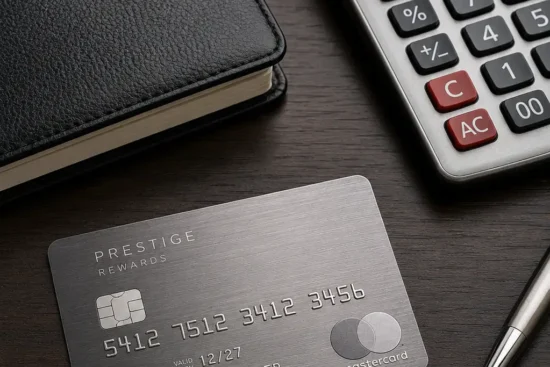
Unsecured debt refers to any loan or line of credit that is not protected by a guarantor or collateral. Because the lender takes on more risk by not having an asset to seize if you stop paying, these products typically carry higher interest rates than mortgages or auto loans.
The most common forms of this debt include credit cards, personal lines of credit, and student loans. According to financial data from Investopedia, lenders mitigate their risk by performing rigorous credit checks to ensure the borrower has a history of timely payments.
The Advantages of Unsecured Debt
Taking on unsecured debt is not inherently bad; in fact, for many, it is a strategic move to improve liquidity.
1. No Risk to Specific Assets
The biggest advantage is that you do not have to put your home or vehicle on the line. If you face a financial hardship and cannot make payments, the lender cannot simply repossess your car or foreclose on your home without a lengthy legal process.
2. Fast Application and Funding
Since there is no need for asset appraisals or title searches, the approval process for a personal loan is often much faster than for a secured loan. Many digital lenders now offer same-day funding for qualified applicants.
3. Flexibility of Use
Unlike a mortgage (which must buy a house) or an auto loan (which must buy a car), funds from unsecured debt can be used for anything. You can consolidate high-interest credit card balances, pay for medical bills, or fund a small business venture.
The Disadvantages of Unsecured Debt
While the flexibility is tempting, the costs associated with unsecured debt can be prohibitive if not managed correctly.
1. High Interest Rates
Because there is no collateral, banks charge a premium. According to the Consumer Financial Protection Bureau, credit card interest rates can often exceed 20% or even 30% for those with average credit.
2. Strict Eligibility Requirements
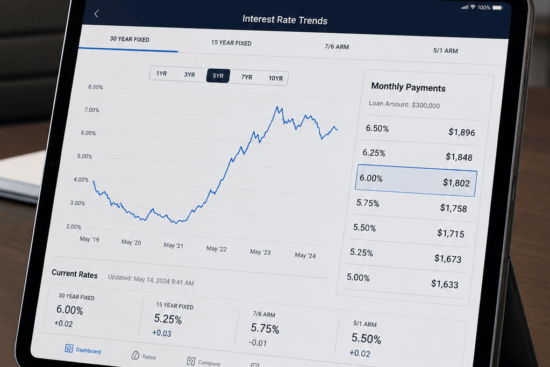
To get the best “loan rates,” you usually need a credit score above 700. If your credit is poor, you may be denied altogether or offered predatory terms.
3. Serious Legal and Credit Consequences
While they can’t take your house immediately, lenders can sue you for the balance. This can lead to wage garnishment or liens on your future property. Furthermore, a single missed payment can tank your credit score by 50 to 100 points.
Unsecured vs. Secured Debt: A Comparison
Understanding the difference is vital for choosing the right financial product.
| Feature | Unsecured Debt | Secured Debt |
|---|---|---|
| Collateral | None | Required (House, Car, Cash) |
| Interest Rates | Generally Higher | Generally Lower |
| Approval Speed | Very Fast | Slow (requires valuation) |
| Risk of Default | Credit Damage / Lawsuits | Asset Seizure |
| Examples | Credit Cards, Personal Loans | Mortgages, Auto Loans |

Eligibility Requirements for Unsecured Debt
Lenders look at several key factors before approving an application:
- Credit Score: Most prime lenders require a score of 670+.
- Debt-to-Income (DTI) Ratio: Usually needs to be below 36-43%.
- Income Stability: Proof of steady employment or business revenue.
- Credit Mix: A history of managing different types of debt effectively.
5 Actionable Strategies for Managing Unsecured Debt
If you decide to take on unsecured debt, follow these steps to ensure it remains a tool rather than a burden.
- Shop for the Best Rates: Don’t accept the first offer. Use comparison tools to check “loan rates” across multiple banks and credit unions.
- Read the Fine Print: Look for origination fees, prepayment penalties, and late fee structures that could inflate the cost of your debt.
- Prioritize High-Interest Balances: If you have multiple debts, use the “Avalanche Method” to pay off the highest interest rate first.
- Avoid Using More than 30% of Limits: On credit cards, keeping your utilization low is the fastest way to boost your credit score.
- Automate Your Payments: Never miss a due date. Set up autopay for at least the minimum amount to protect your credit history.
Cost Breakdown: The True Price of Borrowing
Let’s look at how much a $10,000 unsecured personal loan costs over 3 years at different interest rates.
- Good Credit (8% APR): Total Interest Paid: ~$1,281 | Monthly Payment: ~$313
- Average Credit (18% APR): Total Interest Paid: ~$3,015 | Monthly Payment: ~$361
- Poor Credit (28% APR): Total Interest Paid: ~$4,896 | Monthly Payment: ~$413
As shown, a lower credit score can nearly quadruple the interest you pay on the same loan amount. This is why maintaining a high credit score is the most effective way to save money in the long run.
When Should You Take on Unsecured Debt?
The most justifiable reason to take on unsecured debt is for debt consolidation. If you have five different credit cards with 25% APR, taking out one personal loan at 12% APR to pay them all off can save you thousands of dollars in interest.
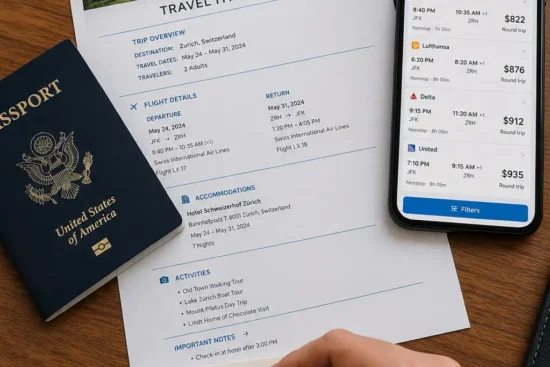
However, you should avoid unsecured debt for “lifestyle inflation”—using credit cards to buy luxury items or vacations you cannot afford with cash. This creates a cycle of high-interest debt that is difficult to break.
Impact on Your Credit Score
Unsecured debt affects your credit score in several ways. Firstly, a “hard inquiry” occurs when you apply, which might temporarily dip your score. Secondly, the “credit utilization” ratio is a massive factor; if you max out your cards, your score will drop even if you pay on time.
For more information on how credit works, checking resources like myFICO can help you understand the long-term impact of borrowing.
Pros and Cons Recap
Pros:
- No collateral needed.
- Quick access to liquidity.
- Fixed monthly payments (for personal loans).
- Can be used for debt consolidation.
Cons:
- High cost of borrowing.
- Harder to qualify for.
- Negative impact on credit if mismanaged.
- Potential for legal action during default.
Conclusion
Unsecured debt is a powerful financial instrument that provides flexibility and safety for your physical assets. However, because it carries higher interest rates and requires a strong credit profile, it must be handled with extreme discipline. By comparing the best loan rates and understanding the long-term cost of borrowing, you can use unsecured debt to your advantage rather than falling into a debt trap.
Are you considering a personal loan or credit card to consolidate your finances? Leave a comment below or share this article to help others understand the true cost of unsecured debt!






Leave a Reply