



The digital finance landscape is undergoing a massive shift. Traditional banking systems are being challenged by decentralized protocols. At the heart of this revolution are smart contracts.
These self-executing agreements allow for trustless financial transactions. They eliminate the need for intermediaries like banks or brokers. For many investors, they represent the ultimate automation tool.
Understanding how smart contracts automate passive digital income is vital. It allows you to build wealth in a 24/7 global market. This guide explores the mechanisms, strategies, and risks involved.
Key Insights: Smart Contracts and Income
- Automation: Code executes payments automatically when conditions are met.
- Transparency: Every transaction is recorded on a public blockchain ledger.
- Efficiency: No manual processing reduces overhead costs and time.
- Accessibility: Anyone with an internet connection can participate globally.
- Security: Cryptographic protocols protect funds within the contract logic.
What Are Smart Contracts?
A smart contract is a computer program stored on a blockchain. It runs only when predetermined conditions are met. Think of it as a digital vending machine for complex finance.
In traditional finance, you trust a third party. With smart contracts, you trust the underlying source code. This “code is law” philosophy ensures total reliability and predictability.
The most popular platform for these tools is Ethereum, though others exist. These contracts facilitate everything from simple transfers to complex lending protocols.
How Smart Contracts Automate Passive Digital Income
Automation is the primary benefit of blockchain technology. Traditional passive income often requires some level of management. However, smart contracts handle the heavy lifting of distribution.
Once you deploy capital into a contract, it follows rules. It calculates interest, distributes rewards, and manages collateral automatically. This creates a truly “set and forget” income stream.
The logic behind smart contracts ensures that payments are never late. There is no human error in calculating your daily earnings. This precision is a major draw for modern digital investors.
The Role of Decentralized Finance (DeFi)
DeFi is the ecosystem built on these automated agreements. It replaces traditional financial services with decentralized alternatives. This sector is the primary driver of digital passive wealth.
Within DeFi, smart contracts act as the bank teller and manager. They ensure that borrowers provide collateral before receiving any funds. They also ensure lenders receive their fair share of interest.
Top Strategies for Passive Income via Smart Contracts
There are several ways to leverage this technology today. Each strategy has different risk profiles and reward structures. Selecting the right one depends on your financial goals.
1. Liquid Staking and Network Validation
Staking involves locking up tokens to support a blockchain network. In return, the network rewards you with new tokens. Smart contracts manage this entire reward distribution process.
You can explore Liquid Staking options to maintain asset liquidity. This allows you to earn rewards while still having tradable assets. It is a highly efficient way to grow your portfolio.
2. Yield Farming in Decentralized Exchanges
Yield farming involves providing liquidity to a decentralized exchange (DEX). You deposit pairs of tokens into a liquidity pool. The smart contracts then reward you for facilitating trades.
These rewards often come from trading fees paid by users. The contract calculates your share of the pool and pays you accordingly. It is a sophisticated way to earn high-yield digital returns.
3. Automated Lending and Borrowing
Platforms like Aave use smart contracts to match lenders and borrowers. You deposit your digital assets into a lending contract. The contract then lends those assets to others at interest.
The system is over-collateralized to protect your initial investment. If a borrower’s collateral falls too low, the contract liquidates it. This ensures you always receive your principal and interest back.
Cost Breakdown: Investing in Smart Contracts
Starting your journey requires an understanding of the costs. While there are no bank fees, there are network costs. These are essential for maintaining the security of the blockchain.
| Cost Type | Description | Estimated Range |
|---|---|---|
| Gas Fees | Costs to execute the contract on the network. | $2 – $50+ (Network dependent) |
| Initial Capital | The amount you choose to invest or stake. | Any amount ($100+ recommended) |
| Platform Fees | Small percentages taken by the protocol UI. | 0.01% – 0.3% |
| Audit Costs | (For developers) Fees to check code security. | $5,000 – $50,000 |
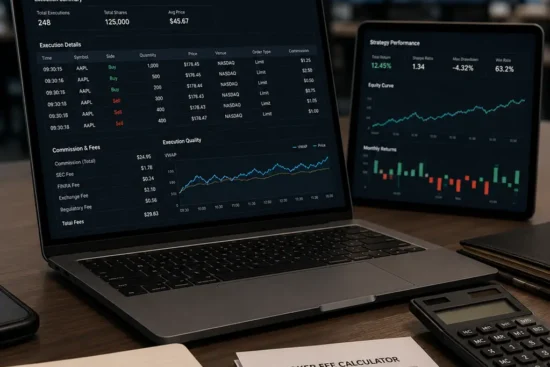
Managing these costs is crucial for maximizing your net returns. High gas fees on certain networks can eat into small profits. Always check current gas prices before performing a transaction.
Requirements for Getting Started
To interact with smart contracts, you need specific digital tools. These tools act as your gateway to the decentralized financial world.
- A Non-Custodial Wallet: Use wallets like MetaMask or Phantom.
- Base Layer Tokens: You need tokens (like ETH or SOL) to pay gas.
- Research Skills: You must be able to read protocol documentation.
- Internet Connectivity: A stable connection is required for signing transactions.
- Security Hardware: A Ledger or Trezor device adds an extra layer.
Step-by-Step: Setting Up Your First Automated Income Stream
Follow these steps to safely deploy your capital. This process ensures you minimize errors during the setup phase.
Step 1: Secure Your Digital Assets
Purchase your desired assets on a trusted exchange. Then, move them to your private, non-custodial wallet immediately. Never leave large sums of money on a centralized exchange for long.
Step 2: Choose a Reputable Protocol
Select a platform with high Total Value Locked (TVL). High TVL usually indicates trust from the wider investment community. Check sites like DefiLlama for transparent protocol data and rankings.
Step 3: Connect Your Wallet
Navigate to the official protocol website and connect your wallet. Ensure you are on the correct URL to avoid phishing scams. Always double-check the domain name before clicking “Connect.”
Step 4: Deposit and Approve
Select the pool or staking contract you wish to join. You will need to “Approve” the smart contracts to spend your tokens. After approval, click “Deposit” to finalize the transaction on-chain.
Step 5: Monitor and Reinvest
Check your earnings periodically through the protocol dashboard. Many investors choose to “Compound” their earnings by reinvesting them. This allows you to benefit from the power of compound interest.

Smart Contract Income vs. Traditional Income
How does this new model compare to classic investment strategies? There are significant differences in speed, access, and risk management.
Comparison: Digital vs. Traditional
- Settlement: Digital is instant; Traditional takes days (T+2).
- Uptime: Digital is 24/7/365; Traditional is 9-5 on weekdays.
- Barriers: Digital has no minimums; Traditional often requires thousands.
- Intermediaries: Digital uses code; Traditional uses banks and lawyers.
While smart contracts offer more speed, they lack federal insurance. There is no FDIC protection for decentralized lending protocols. Investors must weigh the higher yields against the technical risks involved.
Pros and Cons of Smart Contract Automation
Every financial tool has its advantages and its drawbacks. Being aware of both will help you make a balanced decision.
The Advantages (Pros)
- High Yields: Often much higher than traditional savings accounts.
- Global Access: You can invest in projects anywhere in the world.
- Permissionless: No one can stop you from using these protocols.
- Programmability: Income can be sent to multiple wallets automatically.
The Challenges (Cons)
- Smart Contract Risk: Bugs in the code can lead to lost funds.
- Price Volatility: The value of your rewards may fluctuate wildly.
- Complexity: There is a steep learning curve for new users.
- Regulatory Uncertainty: Governments are still deciding how to tax DeFi.
Maximizing Your AdSense RPM through Finance Content
Writing about smart contracts is highly lucrative for publishers. Advertisers in the crypto and fintech space pay high rates. This niche attracts a high-value audience looking for investment opportunities.
To maximize RPM, focus on keywords related to “security” and “yield.” These terms attract advertisers from the insurance and banking sectors. They are willing to pay a premium for targeted traffic.
Including detailed comparisons of credit card rewards versus crypto rewards can help. It bridges the gap between traditional finance and the new digital economy.
Technical Security: Protecting Your Digital Wealth
Security is the most important factor in the world of smart contracts. Since the code is public, hackers can look for vulnerabilities. You must take proactive steps to protect your capital.
Always look for protocols that have undergone multiple security audits. An audit is a professional review of the code by experts. It identifies potential “backdoors” or logic errors before they are exploited.
Additionally, use a dedicated computer for your financial transactions. Avoid clicking on suspicious links or downloading unverified software. Your private keys are the only thing protecting your digital income.
The Role of Real Estate Tokenization
One of the most exciting uses for smart contracts is in real estate. Traditionally, real estate is illiquid and expensive to enter. Tokenization changes this by breaking assets into small pieces.
A smart contract can manage the rental income of a building. It automatically distributes rent to all token holders every month. This creates a passive income stream backed by a physical asset.
This marriage of physical and digital assets is the future of finance. It provides the stability of real estate with the efficiency of blockchain. Many investors are now looking at Real Estate Investment Trusts (REITs) versus on-chain tokens.
Common Myths About Automated Digital Income
There are many misconceptions about how smart contracts work. Clearing these up is essential for any serious digital investor.
Myth 1: It is a “get rich quick” scheme. Fact: It is a technological tool. Returns are based on market demand and risk.
Myth 2: You need to be a coder to use them. Fact: Modern user interfaces make it easy for anyone to participate.
Myth 3: All smart contracts are safe. Fact: Only audited and battle-tested contracts should be considered safe.
Future Trends: AI and Smart Contracts
The integration of Artificial Intelligence (AI) will further automate income. AI can analyze market data and move funds between smart contracts. This ensures you are always earning the highest possible yield.
Imagine a system that automatically hedges your risk during a market crash. Or a contract that buys insurance for itself when volatility increases. This level of automation will redefine passive income in the next decade.
As AI improves, the barrier to entry will drop even further. We will see more “intent-based” finance where you simply state your goal. The underlying smart contracts will then execute the best path for you.
Conclusion: Start Building Your Automated Future
Automating passive digital income via smart contracts is no longer a dream. It is a functional reality used by millions of people worldwide. By leveraging code, you can escape the limitations of traditional banking.
The key to success is education and risk management. Start small, use reputable platforms, and always prioritize security. The decentralized world offers immense opportunities for those willing to learn.
Are you ready to let code work for your wallet? Start by exploring a small staking position today. Share your experiences in the comments below or share this guide with a friend.
Take Action Now:
- Research three highly-rated DeFi protocols.
- Set up a secure hardware wallet for your assets.
- Compare current staking yields against your bank’s interest rate.
By mastering smart contracts, you are positioning yourself at the forefront of finance. The journey to automated wealth starts with a single digital transaction. Don’t wait for the future; build it yourself using blockchain technology.






Leave a Reply