



In the modern digital economy, protecting your financial identity is more critical than ever. As e-commerce continues to grow, so does the sophistication of cybercriminals. One of the most effective tools for safeguarding your assets is the use of Virtual Numbers.
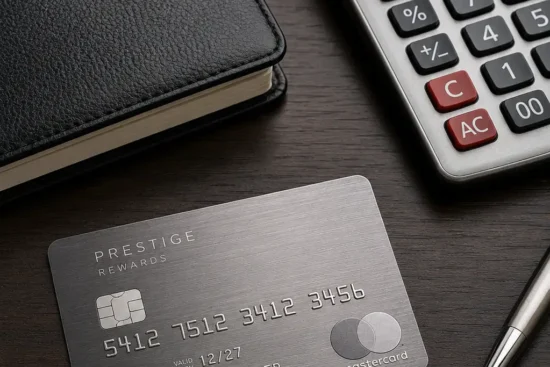
These digital alternatives to your physical plastic provide a layer of security that traditional cards simply cannot match. By decoupling your primary bank account from the transaction point, you significantly reduce the risk of fraud and unauthorized charges.
Key Insights / Quick Summary
- Enhanced Security: Virtual numbers mask your real credit card details from merchants.
- Spending Control: You can set maximum limits or create “burner” numbers for one-time use.
- Easy Management: Most major banks and fintech apps allow you to toggle these numbers on or off instantly.
- Fraud Prevention: Even if a merchant suffers a data breach, your primary account remains secure.
Understanding Virtual Numbers and Digital Security
A virtual number, often referred to as a virtual credit card (VCC), is a unique credit or debit card number generated by your financial institution. It is linked to your actual account but features its own 16-digit number, CVV, and expiration date.
When you shop online, the merchant only sees the virtual details. This means your actual credit card information is never stored on their servers. If that merchant is hacked, the hacker only gets a “dead” or limited-use number.
How Virtual Numbers Differ from Physical Cards
Traditional cards are static; their numbers remain the same for years. In contrast, Virtual Numbers can be dynamic. You can generate a new one for every purchase or dedicate a specific number to a single subscription service like Netflix or Amazon.
Step-by-Step Strategy: Setting Up Virtual Numbers for Shopping
To begin securing your online transactions, follow these actionable steps:
- Check Your Existing Bank: Log into your mobile banking app. Many providers like Capital One (via Eno) or Citibank already offer this feature for free.
- Use Third-Party Apps: If your bank doesn’t support it, services like Privacy.com allow you to link a bank account and generate secure Virtual Numbers on the fly.
- Define the Purpose: Decide if you need a “Merchant Card” (locks to one store) or a “Single-Use Card” (expires after one transaction).
- Set Spending Limits: Always set a hard limit on the number. If you are buying a item for $50, set the limit to $55 to prevent hidden overcharges.
- Monitor Transactions: Keep notifications on. You will receive alerts on your phone whenever the virtual card is used, providing real-time oversight.
Cost Breakdown and Eligibility
Most consumers are surprised to find that using Virtual Numbers typically costs nothing.
| Feature | Standard Bank Offering | Third-Party Services (e.g., Privacy) |
|---|---|---|
| Monthly Fee | Usually $0 | $0 (Basic) to $10 (Pro) |
| Transaction Fees | $0 | $0 |
| Limits per Month | Varies by bank | Up to 12 new cards/month (Basic) |
| Eligibility | Existing cardholders | Legal residents with linked bank accounts |

Requirements for Access
To use these tools, you generally need a high credit score to qualify for the premium credit cards that offer these features, or a verified bank account for third-party fintech applications.
Comparison: Virtual Numbers vs. Standard Credit Cards
When evaluating Virtual Numbers, it is helpful to look at the best and worst scenarios for their use.
The Best Case (Virtual Numbers): You sign up for a “free trial” that requires a card. You use a virtual number with a $1 limit. When the trial ends and the company tries to charge you $99, the transaction is automatically declined. Your main account is untouched.
The Worst Case (Standard Cards): You use your primary card for the same trial. You forget to cancel. The company charges your account, and you must spend hours on the phone with customer service or file a dispute with your bank to get your money back.
Pros and Cons of Virtual Numbers
Pros:
- Instant Deactivation: Kill a number with one click if you suspect a leak.
- Anonymity: Some services allow you to use a pseudonym for the billing name.
- Budgeting: Create a separate number for each of your subscription services to track spending easily.
Cons:
- Return Issues: Some retailers require the “physical card” for in-store returns, which can be tricky with virtual-only digits.
- Not for Physical Pickup: If a hotel or car rental requires you to present the card used for booking, a virtual number might cause a check-in delay.
Maximizing Your Online Security
Using Virtual Numbers is just one part of a robust financial safety plan. To truly maximize your protection, you should also ensure you are using two-factor authentication (2FA) on all financial portals.
Cybercriminals often target online income accounts and investment portfolios. By using a unique virtual number for every platform, you ensure that a breach in one area does not lead to a total financial collapse.
Why Advertisers and Banks Support Virtual Numbers
You might wonder why banks provide these for free. The answer is simple: fraud is expensive. Banks lose billions annually to fraudulent transactions. By providing you with Virtual Numbers, they reduce the likelihood of having to reimburse you for unauthorized charges. This efficiency keeps loan rates and credit costs lower for everyone in the long run.
Enhancing Your Credit Profile
Using virtual tools responsibly can also help maintain your credit health. By preventing unauthorized “over-limit” charges and ensuring your subscriptions are paid only when you want them to be, you avoid accidental late fees that could damage your credit rating.
Advanced Tips for Virtual Card Users
- The “Burner” Strategy: For one-time purchases from international websites, always use a single-use number.
- The “Lock” Feature: If you aren’t shopping today, keep your Virtual Numbers paused.
- Browser Extensions: Use extensions that automatically fill in your virtual card details at checkout for convenience.
Conclusion
Switching to Virtual Numbers is a simple yet powerful way to take control of your financial life. Whether you are protecting your insurance payments or just buying a new pair of shoes, the security provided by these digital tools is unmatched. By masking your primary credit cards, you ensure that your hard-earned money remains exactly where it belongs: in your pocket.
Are you ready to secure your next purchase? Check your bank app today to see if you already have access to Virtual Numbers, or explore reputable third-party platforms to start your journey toward a safer online shopping experience.
What do you think about virtual cards? Have you ever had your information stolen online? Share your stories in the comments below and let’s help each other stay safe!







Leave a Reply