



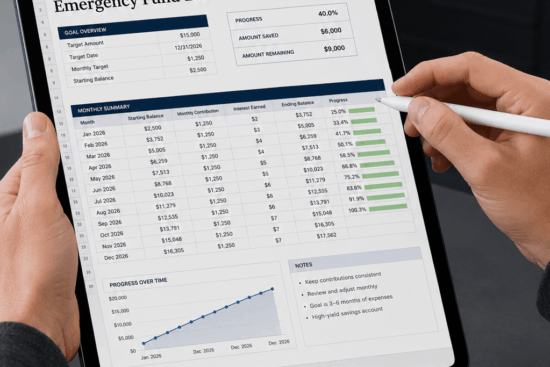
Building a robust emergency fund is the cornerstone of financial security. As we approach 2026, the economic landscape continues to shift, making liquid savings more critical than ever.
An emergency fund is a dedicated stash of cash set aside for unplanned expenses. These might include medical bills, urgent car repairs, or sudden job loss.
Without this safety net, individuals often turn to high-interest credit cards or loans. This creates a cycle of debt that can take years to escape.
In this guide, we will break down exactly how to calculate your needs. We will also explore strategies to grow your savings in a high-inflation environment.
Key Insights / Quick Summary
- Target Amount: Most experts recommend 3 to 6 months of essential living expenses.
- Location: Keep funds in a High-Yield Savings Account (HYSA) for liquidity and growth.
- 2026 Trend: Aim for the higher end (6-9 months) if you work in volatile sectors like tech or freelance.
- Automation: The most effective way to save is through automatic monthly transfers.
- Purpose: Only use the fund for “true” emergencies, not planned purchases or vacations.
Why You Need an Emergency Fund in 2026
The economy in 2026 is characterized by rapid digital transformation and fluctuating interest rates. Relying on credit is becoming increasingly expensive.
Having a dedicated emergency fund provides mental peace. It allows you to make rational decisions during a crisis rather than acting out of desperation.
For those looking to optimize their finances, checking current savings account rates is a vital first step. High-yield accounts ensure your money keeps pace with inflation.
Calculating Your 2026 Emergency Fund Goal
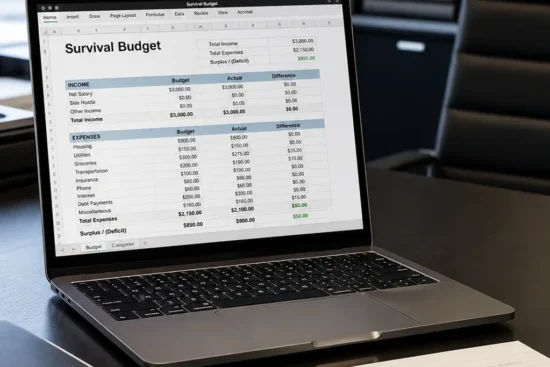
To determine your target, you must first calculate your “bare-bones” monthly budget. This includes only the essentials required to survive.
1. Identify Essential Expenses
List your non-negotiable costs. These typically include:
- Housing (Rent or Mortgage)
- Utilities (Electricity, Water, Internet)
- Insurance premiums (Health, Auto, Life)
- Basic groceries
- Minimum debt payments
2. Determine Your Risk Factor
If you have a stable government job, 3 months might suffice. If you are a business owner or freelancer, 6 to 12 months is safer.
3. Adjust for 2026 Inflation
Prices for services and goods vary. It is wise to add a 10% buffer to your total calculation to account for rising costs over the next year.
| Household Type | Recommended Duration | Risk Level |
|---|---|---|
| Single, Salaried | 3 – 6 Months | Low |
| Single, Freelance | 6 – 9 Months | Moderate |
| Family with Kids | 6 – 12 Months | High |
| Business Owners | 12 Months + | Very High |
Step-by-Step Strategy to Build Your Fund
Building an emergency fund from scratch can feel overwhelming. Follow these five actionable steps to reach your goal efficiently.
Step 1: Set a Mini-Goal
Start by aiming for $1,000. This small win provides immediate protection against minor issues like a flat tire or a broken appliance.
Step 2: Analyze Your Cash Flow
Review your bank statements from the last 90 days. Identify “leaks” such as unused subscriptions or excessive dining out. Redirect this “found money” to your savings.
Step 3: Automate Your Savings
Treat your emergency fund like a recurring bill. Set up an automatic transfer from your checking account to your savings account on payday.
Step 4: Utilize Windfalls
Redirect tax refunds, work bonuses, or cash gifts directly into your fund. This can shave months off your timeline.
Step 5: High-Yield Optimization
Do not let your fund sit in a standard checking account. Move it to a High-Yield Savings Account. You can compare the best HYSA options at NerdWallet to maximize your annual percentage yield (APY).
Where to Store Your Emergency Fund
Liquidity is the most important factor when choosing where to keep your emergency fund. You need to access the money within 24 to 48 hours.
High-Yield Savings Accounts (HYSA)
These are the gold standard for 2026. They offer much higher interest rates than traditional banks while remaining FDIC-insured.
Money Market Accounts (MMA)
An MMA often comes with a debit card or check-writing privileges. This provides even faster access during a crisis.
Cash Management Accounts
Offered by non-bank financial institutions, these often sweep your money into several partner banks to maximize insurance coverage.
Common Mistakes to Avoid
Many people fail to maintain their emergency fund due to avoidable errors. Awareness is the first step toward long-term success.
- Investing the Fund: Never put your emergency money into the stock market. A market downturn often coincides with economic recessions and job losses.
- Using it for “Expected” Expenses: Car registrations and holiday gifts are not emergencies. They should be handled via “sinking funds.”
- Neglecting to Replenish: If you dip into the fund, your top financial priority must be to refill it immediately.
- Keeping it Too Accessible: If you find yourself spending the fund on impulse buys, move it to a different bank to create a “friction” barrier.
Pros and Cons of a Large Emergency Fund
While more savings generally means more security, there is an opportunity cost to keeping too much cash.
Pros:
- Absolute financial independence during a crisis.
- Ability to avoid high-interest debt entirely.
- Psychological comfort and reduced stress.
Cons:
- Lower returns compared to long-term stock market investing.
- Potential loss of purchasing power if interest rates fall below inflation.
Eligibility and Requirements for Success
To successfully manage an emergency fund, you need a basic financial framework. This ensures the fund remains protected and useful.
- Stable Income Source: You need a consistent way to fuel the initial growth of the fund.
- Separate Account: The fund must live in an account separate from your daily spending money.
- Strict Definition of Emergency: Define what constitutes a crisis before you start saving.
- Credit Score Awareness: Maintaining a good credit score allows you to use the fund as a bridge rather than a total solution if needed.
The Cost of Not Having an Emergency Fund
The “cost” is not just financial; it is emotional. Without an emergency fund, a $500 repair can snowball into thousands of dollars in interest.
In 2026, lenders have tightened their requirements. If you lose your job, you may not be approved for a new loan or credit card when you need it most.
Self-insurance through your own savings is the most reliable financial product you can own. It has a 0% fee and a 100% approval rate.
Conclusion and CTA
Determining how much emergency fund you need for 2026 depends on your unique lifestyle and risk tolerance. Start with a small goal of $1,000 and consistently build toward six months of expenses.
By prioritizing your emergency fund, you are taking the most important step toward financial freedom. It protects your investments, your credit, and your family’s future.
Have you started your 2026 emergency fund yet? Leave a comment below with your savings goals or share this article with a friend who needs to start their financial journey!







Leave a Reply