



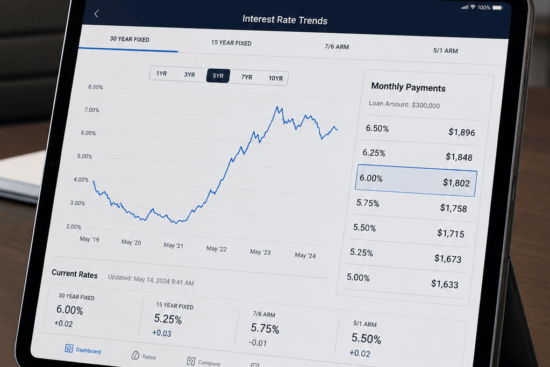
High interest rates are a critical factor in personal finance that can significantly alter your monthly budget and long-term wealth. When the cost of borrowing increases, your monthly credit payments typically rise, leaving less room for savings or discretionary spending.
Understanding the mechanics behind these shifts is essential for anyone carrying debt or planning to apply for new credit. In this guide, we will break down exactly how rate hikes impact your wallet and how you can protect your financial health.
Key Insights / Quick Summary
- Direct Impact: Higher rates increase the “cost of money,” leading to larger monthly minimum payments on variable-rate debt.
- Amortization Shifts: In fixed-rate loans, higher rates mean a larger portion of your payment goes to interest rather than the principal.
- Credit Score Sensitivity: As payments rise, debt-to-income (DTI) ratios may tighten, making it harder to qualify for low loan rates.
- Compounding Effect: On credit cards, high interest rates cause balances to balloon quickly if only minimums are paid.
The Relationship Between Interest Rates and Credit Payments
Interest rates represent the price you pay to use a lender’s money. When central banks adjust these rates to combat inflation, the ripple effect reaches your credit cards, mortgages, and personal loans almost immediately.
For variable-rate products, such as many credit cards and HELOCs, an increase in the benchmark rate translates to a higher Annual Percentage Rate (APR). This means that for every dollar you owe, you are being charged more each month.
How APR Fluctuations Change Your Monthly Bill
When your APR increases, the interest charge on your statement grows. If your payment remains the same, a smaller percentage of that money reduces your actual balance. This extends the life of the loan and increases the total cost of the debt.
Fixed vs. Variable Rate Impact
- Fixed-Rate Loans: Your monthly payment remains stable, but the cost of getting a new loan increases significantly.
- Variable-Rate Loans: Your monthly payment or interest portion fluctuates in real-time with market indices.
Cost Breakdown: 15% vs. 24% APR on Credit Cards
To visualize the impact, let’s look at a typical credit card balance of $5,000. Many consumers saw their rates jump from 15% to 24% over the last two years due to market shifts.
| Feature | Scenario A (Moderate Rate) | Scenario B (High Rate) |
|---|---|---|
| Balance | $5,000 | $5,000 |
| Annual Interest Rate (APR) | 15% | 24% |
| Monthly Interest Charge | $62.50 | $100.00 |
| Total Interest (1 Year) | $750.00 | $1,200.00 |
| Impact on Cash Flow | Manageable | Significant Drag |
In Scenario B, you are paying $37.50 more per month just to “stay even.” Over a year, that is $450 lost to interest that could have gone toward your credit score improvement or an emergency fund.
Why High Interest Rates Hurt Your Credit Score
It isn’t just about the cash leaving your bank account. High interest rates can indirectly lower your credit score through two main channels:
- Credit Utilization: As interest charges add up, your balance grows closer to your limit, increasing your utilization ratio.
- Payment Burden: If your monthly credit payments become too high, the risk of a missed payment increases, which is the single most damaging factor for a credit profile.
Step-by-Step Strategy to Manage High Interest Payments
If you are struggling with rising costs, follow these actionable steps to mitigate the damage.
- Audit Your APRs: Check every statement. Many people are unaware that their rates have climbed until they look at the fine print.
- Negotiate with Lenders: Call your card issuer and ask for a lower rate based on your payment history.
- Prioritize High-Interest Debt: Use the “Avalanche Method.” Pay the minimum on all cards but put every extra dollar toward the card with the highest APR.
- Consider a Balance Transfer: Moving debt to a 0% APR introductory card can save you thousands in interest over 12–18 months.
- Lock in Fixed Rates: If you need a new loan, consider a fixed-rate personal loan to consolidate variable credit card debt before rates rise further.
Requirements and Eligibility for Better Rates
To qualify for the best investing and borrowing terms during high-rate cycles, you generally need to meet specific criteria:
- Minimum Credit Score: Usually 720+ for the most competitive offers.
- Debt-to-Income (DTI): Lenders prefer a DTI below 36%.
- Stable Income: Proof of consistent earnings via pay stubs or tax returns.
- Low Recent Inquiries: Avoid applying for multiple new lines of credit simultaneously.

Comparison: Best vs. Worst Debt during High-Rate Cycles
Not all debt is created equal when interest rates are climbing.
- Best Debt: A fixed-rate mortgage at 3% from years ago. This is an asset because you are paying back the bank with “cheaper” inflated dollars while your rate stays low.
- Worst Debt: Variable-rate credit cards or “Buy Now, Pay Later” (BNPL) schemes that have deferred interest components which can spike to 30% APR.
Pros and Cons of Borrowing in a High-Rate Environment
Pros:
- Higher interest rates often mean better returns on high-yield savings accounts.
- It discourages overspending and helps cool down an overheated economy.
Cons:
- Increased monthly credit payments reduce disposable income.
- Business expansion becomes more expensive, leading to slower job growth.
- Mortgage affordability drops, making homeownership harder for first-time buyers.
How to Protect Your Spending Power
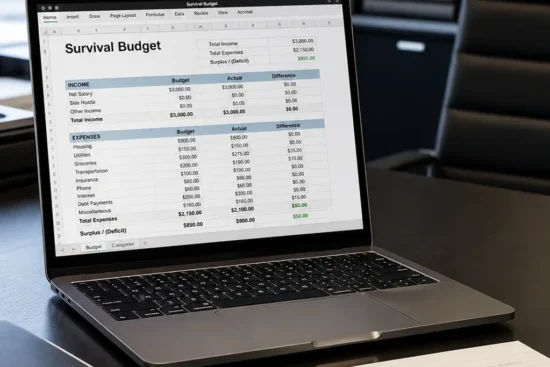
To maintain your spending power when interest rates affect monthly credit payments, you must shift your mindset from “borrowing” to “saving.” Every dollar of high-interest debt you pay off is essentially a guaranteed return on investment equal to that APR.
If your credit card is at 20%, paying it off is the equivalent of finding an investment that pays 20%—completely risk-free. This is far better than most stock market returns.
Conclusion
High interest rates are a heavy burden, but they are not insurmountable. By understanding how they affect your monthly credit payments, you can take proactive steps to consolidate debt, negotiate lower rates, and prioritize your spending. Staying informed about your APR and maintaining a high credit score are your best defenses against a rising rate environment.
Are you seeing a jump in your monthly bills? Share your experiences in the comments below or share this article with a friend who needs to lower their interest costs!




Leave a Reply