



The digital economy is experiencing a massive paradigm shift. What once existed purely as lines of code in closed entertainment ecosystems has now matured into a multi-billion-dollar asset class. Today, virtual assets represent more than just status symbols; they are highly liquid digital commodities.
For dedicated players and digital entrepreneurs, the process of converting virtual wealth into tangible financial security is a legitimate business model. However, navigating the intersection of game mechanics, marketplace fees, legal constraints, and tax liabilities requires a strategic approach.
Whether you are looking to liquidate high-value digital collectibles or build a recurring stream of revenue from virtual trading, understanding the mechanics of monetizing your in-game currency is critical. This guide provides a comprehensive, professional blueprint to help you convert digital efforts into real-world cash safely and efficiently.
Key Insights / Quick Summary
Before diving into the detailed mechanics of virtual economy liquidations, here is a quick summary of the essential data points and strategic recommendations:
| Metric / Aspect | Key Details |
|---|---|
| Top Monetizable Games | Roblox (Robux), Second Life (Linden Dollars), World of Warcraft (Gold), CS2 (Skins) |
| Average Conversion Fee | 5% to 15% (depending on platform escrow and payout methods) |
| Primary Risk Factor | Developer Terms of Service (TOS) violations leading to account termination |
| Tax Implications | Virtual asset conversions are treated as taxable property transactions |
| Safest Payout Channels | Bank transfers, PayPal, and verified cryptocurrency wallets |
| Main Strategic Verdict | Prioritize developer-sanctioned cash-out programs whenever possible to guarantee asset security |
The Economics of In-Game Currency: Why Virtual Money Has Real Value
To successfully monetize virtual resources, you must first understand why third-party buyers are willing to pay hard cash for digital files. At its core, the value of any in-game currency is driven by the exact same principles that govern real-world fiat currencies: scarcity, utility, and labor substitution.
In-game economies are broadly divided into two structural categories: open-loop and closed-loop systems. Understanding this distinction is vital for planning your liquidation strategy.
Closed-Loop Virtual Economies
In a closed-loop system, the virtual currency is designed to stay entirely within the game’s ecosystem. The developer explicitly forbids external sales, and there is no built-in mechanism to cash out. Examples include World of Warcraft Gold or Final Fantasy XIV Gil.
Because demand for these currencies remains high due to the time required to earn them, a massive grey market has emerged. Buyers purchase this in-game currency from third-party sellers to bypass hundreds of hours of repetitive grinding.
Open-Loop Virtual Economies
Open-loop systems are designed with external cash-out pathways in mind. In these games, virtual tokens are recognized as having an immediate exchange rate with real-world fiat.
The developer provides secure, regulated portals to facilitate the withdrawal of earnings. This structure is highly beneficial because it minimizes transaction risks and keeps your activities fully compliant with platform guidelines.
Legal vs. Grey Market Conversion Pathways: Where to Safely Cash Out
When you decide to liquidate your accumulated in-game currency, you must choose between official, developer-sanctioned programs and secondary grey-market platforms. Both paths offer distinct advantages and significant trade-offs regarding safety, speed, and profitability.
1. Official Developer-Sanctioned Cash-Out Programs
A select group of visionary gaming platforms has built native infrastructure to allow users to cash out digital earnings. These are the gold standards of digital monetization because they carry zero risk of account bans.
- Roblox Developer Exchange (DevEx): This program allows creators to trade accumulated Robux back to the developer for real US dollars. However, the system has strict minimum thresholds and verification requirements.
- Second Life (LindeX Exchange): One of the oldest virtual economies in existence. The LindeX allows players to seamlessly buy and sell Linden Dollars for fiat currency directly through an official marketplace.
- Entropia Universe: This sci-fi MMORPG features a currency pegged directly to the US Dollar at a fixed 10:1 ratio, allowing players to withdraw funds straight to their physical bank accounts.
2. Secondary Grey-Market Marketplaces
For games that do not support official withdrawals, third-party marketplaces act as peer-to-peer escrow facilitators. These sites match currency sellers with eager buyers looking to boost their characters.
- P2P Marketplaces (G2G, PlayerAuctions): These platforms secure transactions by holding the buyer’s funds in escrow until the seller delivers the in-game currency. They offer high liquidity but carry inherent TOS risks.
- Skin Trading Sites (DMarket, CSFloat): In games like Counter-Strike 2, virtual items function as highly liquid assets. Players sell these items on dedicated third-party sites and withdraw the proceeds via bank wire or cryptocurrency.
Step-by-Step Blueprint for Converting In-Game Currency to USD
Converting virtual assets into physical bank deposits requires methodical execution to avoid transaction disputes, platform detection, and heavy financial losses. Follow this step-by-step blueprint to ensure a secure transaction:
Step 1: Audit Your Digital Inventory and Assess Value
Begin by calculating the exact volume of liquid assets you hold. Track current market rates across multiple independent platforms to establish a baseline value for your holdings. Remember that bulk sales often require slight discounts to attract buyers quickly.
Step 2: Select the Safest Escrow-Backed Platform
Never conduct high-value trades directly inside the game chat or via unverified social media channels. Always use an established platform that acts as an escrow agent. This ensures that the buyer’s cash is secured before you hand over your digital wealth.
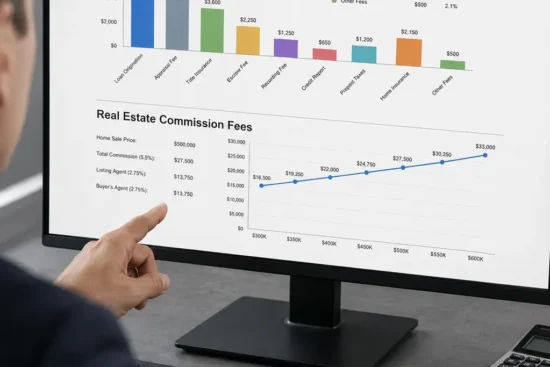
Step 3: Calculate Fee Friction
Understand that the gross value of your assets is not what you will receive in your bank account. You must factor in:
- Platform Selling Fees: Often ranging from 5% to 12%.
- Payment Processing Fees: Charges applied by PayPal, Payoneer, or wire transfer networks.
- Currency Exchange Rates: If cashing out in a currency other than US Dollars.
Step 4: Execute the Trade Safely
When delivering the currency in-game, take meticulous screenshots and video recordings of the entire transaction. Keep records of the buyer’s character name, the exact quantity transferred, and the confirmation screen. This documentation is your only defense if a buyer attempts to file a fraudulent chargeback.
Step 5: Secure the Real-World Payout
Transfer your earned balance out of the marketplace platform as soon as possible. Avoid leaving large balances in third-party marketplace accounts. Transfer the funds directly to a secure, personal bank account or a hardware cryptocurrency wallet.
Comparison Analysis: Official Cash-Out Programs vs. Third-Party Gold Markets
Choosing the right channel is a balance between risk tolerance and financial return. Below is a detailed breakdown of how these two main pathways compare:
| Feature | Official Developer Programs | Third-Party Grey Markets |
|---|---|---|
| Account Ban Risk | 0% (Fully Approved) | High (Violates most developer TOS) |
| Fee Structure | Low to moderate (Platform-defined) | High (Transaction fee + payment gateway fee) |
| Approval Speed | Slow (Requires manual verification) | Fast (Often completed in under 24 hours) |
| Accessibility | Restricted (Requires age, tax, and activity checks) | Open (Minimal initial requirements) |
| Transaction Security | Extremely High | Moderate (Protected only by site escrow) |
Understanding Rules, Bans, and Developer Terms of Service (TOS)
The single greatest threat to your digital asset enterprise is the developer’s Terms of Service. In almost all mainstream MMORPGs and competitive online games, the developer explicitly states that you do not own your virtual items. Instead, you own a temporary license to use those items within their ecosystem.
If a developer detects that you are selling in-game currency for real money, they have the legal right to permanently terminate your account without compensation.
When virtual economy activities are assessed by the developer, the account’s state is generally divided into two main categories:
- Normal Play-Style: Standard, organic in-game behavior which is fully approved.
- Real-Money Trading (RMT) Detected: Activities flagged as grey-market exchanges, resulting in immediate security measures such as IP logging, hardware ID bans, and permanent account liquidation with complete loss of assets.
To minimize this risk when using third-party markets, professional sellers employ strict operational security:
- Use Alt Accounts: Never transfer large amounts of currency directly from your primary, high-value account. Use secondary accounts to act as buffers.
- Mask Your IP: Use a premium, dedicated VPN or proxy to ensure your logging location aligns with your trading target.
- Mimic Natural Play: Avoid trade patterns that look like botting. Do not trade max-value stacks of gold to low-level characters without some form of mock transaction trade in return.
The IRS and Tax Realities of Digital Asset Transactions
Many digital sellers mistakenly believe that virtual earnings are invisible to tax authorities. This is a critical error that can lead to severe penalties, audits, and legal trouble.
In the United States, the Internal Revenue Service (IRS) treats virtual assets, including cryptocurrencies and valuable digital commodities, as property. Any time you trade, sell, or liquidate these assets for real fiat currency, you trigger a taxable event.
You can find comprehensive regulations regarding the classification and reporting of these transactions on the Internal Revenue Service digital assets portal.
Tax Reporting Requirements
- Ordinary Income: If you earn digital currency as payment for services (such as in-game coaching or power-leveling), you must report the fair market value of that currency in US Dollars as ordinary income at the time of receipt.
- Capital Gains: If you purchase rare digital skins or virtual currencies and sell them later for a profit, you must report the transaction as a capital gain. You will owe tax on the difference between your cost basis (what you paid) and the final sale price.
- Form 1099-K Thresholds: Third-party payment processors are legally required to report your gross transaction volumes directly to the tax authorities if you exceed national thresholds. Ensure you keep meticulous accounting ledgers of all your transactions to avoid unexpected tax bills.
Core Pitfalls and Scams to Avoid
The virtual asset market is unregulated and highly targeted by sophisticated malicious actors. If you are not careful, you can easily lose both your in-game assets and your real-world funds.
1. PayPal Chargeback Scams
This is the most common scam in virtual currency trading. A buyer pays you via PayPal, receives the in-game assets, and then files a dispute with PayPal claiming the transaction was unauthorized. Because PayPal does not easily verify the delivery of virtual, intangible items, they frequently rule in favor of the buyer, leaving you with nothing.
Prevention: Never accept personal transfers from unverified buyers. Always utilize payment methods that do not support easy chargebacks, such as bank wires or verified cryptocurrencies, or rely strictly on marketplace escrow systems.
2. API Key Phishing
Steam users are highly susceptible to API scams. Scammers create fake login pages that mimic legitimate trading platforms. Once you log in, they steal your Steam API key. When you attempt a legitimate trade, their bot intercepts it, replicates the target trade profile, and redirects your high-value items to their account.
Prevention: Periodically check your Steam API settings. Revoke any unauthorized keys and always verify the creation date and level of any account you are actively trading with.
3. Fake Middleman Services
A buyer may suggest using an external middleman, such as a community admin or a Discord moderator, to secure a high-value trade. Often, the buyer and the middleman are the same person or are working in collusion.
Prevention: Stick exclusively to automated, site-integrated escrow systems. Never trust a human intermediary who is not backed by a legal platform’s terms of service.
Passive Income Alternatives for Gamers
Active grinding for in-game currency can quickly turn into a grueling, low-wage job. If you want to build a truly sustainable, scalable source of income within the gaming ecosystem, consider these passive and highly leveraged alternatives:
1. Investing in Digital Real Estate and Virtual Collectibles
Some platforms allow you to buy and hold virtual land or extremely rare items that naturally appreciate over time. By carefully analyzing game update patterns and player demographics, you can buy low and sell high without having to actively play the game.
2. Launching Specialized Gaming Platforms and Server Hosting
Instead of playing the game, build the infrastructure. Operating custom multiplayer servers with monetization options, or building analytical databases for item trading, lets you earn passive monthly membership fees from other gamers.
3. Digital Content and Affiliate Assets
Creating high-quality written guides, video tutorials, or databases targeting specific virtual economies can generate substantial advertising and affiliate revenue. This content works for you 24/7, providing a reliable source of high-RPM ad income while you focus on other projects.
Final Verdict and Strategic Action Plan
Monetizing your digital efforts is entirely feasible if you treat the process like a professional business venture. While the lure of fast cash from grey-market gold trading is high, the risks of permanent developer bans and transaction fraud make it a challenging long-term strategy.
If your goal is to build a reliable, compliant revenue stream, focus your efforts on official channels like Roblox DevEx, or shift your focus toward content creation, virtual real estate investing, or developer tool integration. By minimizing transaction friction and adhering to legal and tax frameworks, you can safely turn your virtual achievements into real-world prosperity.
Frequently Asked Questions
Can I legally cash out my in-game currency?
Yes, you can legally cash out in-game currency, but your options depend heavily on the game. If the developer provides an official cash-out program (like Roblox DevEx), the transaction is fully approved and legal. If you use third-party markets to cash out currency from games that forbid real-money trading, you are violating the game’s Terms of Service. While not criminal, this can result in the permanent termination of your gaming accounts.
Is in-game currency taxable?
Yes. The IRS and other international tax authorities treat virtual currencies and digital items as property. Any cash you receive from selling virtual gold, skins, or accounts is considered taxable income. You must report these earnings on your tax returns to ensure complete legal compliance.
How do I avoid being banned for real-money trading?
While there is no way to completely eliminate risk when violating a developer’s TOS, you can mitigate it. Use separate secondary accounts to handle trades, utilize a dedicated VPN to avoid flagging your main IP, avoid bulk trades with newly created accounts, and make transactions look like natural, in-game interactions rather than massive, unprompted gifts.
What payment method is the safest for receiving cash?
For peer-to-peer trades outside of automated escrow sites, secure bank wires or non-refundable cryptocurrencies are the safest because they prevent chargeback fraud. Avoid accepting PayPal “Friends and Family” or standard credit card transfers from unverified buyers, as these can easily be reversed.
How do third-party trade escrows work?
An escrow marketplace acts as an impartial middleman. The buyer pays the marketplace, which holds the cash securely. You then deliver the virtual currency to the buyer in-game and upload proof of delivery. Once verified, the marketplace releases the held funds directly to your chosen withdrawal account, protecting both parties from fraud.
Can I make a full-time living from selling virtual currency?
While some professional traders and developers earn substantial incomes, relying solely on manually grinding virtual gold is generally not a sustainable, full-time career due to extreme volatility and low hourly returns. To scale your earnings, focus on passive alternatives such as asset speculation, system development, or content creation.


Leave a Reply